Luke Clarke

Functional Medicine Practitioner and Naturopath in Melbourne

Call US: 03 8820 0010
  • Home
  • About Me
  • What I Do
    • Functional Medicine
    • IBS (Irritable bowel syndrome) Treatment
    • Fibromyalgia Treatment
    • Gut Microbiome Testing
    • FODMAP
    • Adrenal Fatigue Treatment
    • Women’s Health
    • Men’s Health
    • Cleanse and Detox
    • Children’s Health
  • Blog
  • Women’s Health
  • Men’s Health
  • Children’s Health
  • Gut Health
    • How Do I Know if I Have Adrenal Fatigue?
    • What Are Functional Foods Examples?
    • What Are the Top Five Functional Foods?
    • What Foods Fight Inflammation?
    • The Health Benefits Of An Anti-Inflammatory Diet
    • What Is an Anti-Inflammatory Diet?
  • Contact

July 1, 2022 by Luke Leave a Comment

Natural Cold and Flu Relief: Your Questions Answered

Cold and flu season has arrived, with this year’s season tipped to exceed 2017’s horror flu epidemic. Unfortunately, cold and flu viruses spread easily, and even the strongest among us can succumb to infection. If you do get sick, natural medicines can help you recover faster by supporting your immune defences, and when taken long-term, can even reduce your risk of getting sick. Before we look into how they do this, let’s examine what happens when we get a viral infection.

What happens in an acute cold or flu?

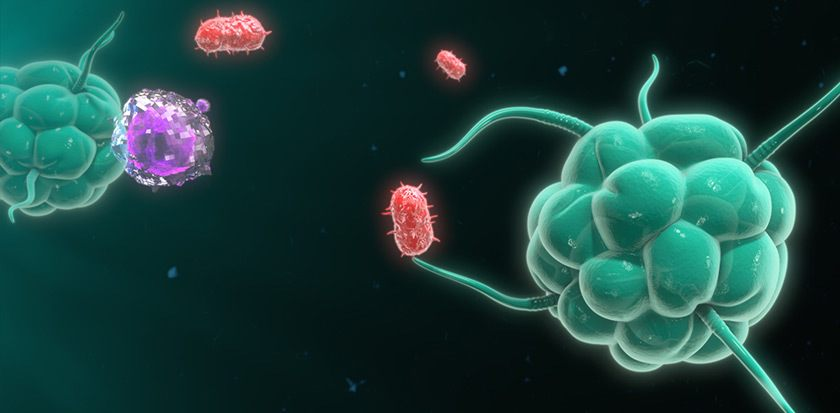
Viruses such as influenza and the common cold enter through the nose and mouth, with the goal of multiplying and making your body their new home. These viruses can’t multiply without a human cell, so once they enter your body they immediately start infecting your cells, hijacking them and turning them into virus-replicating factories. They do this by injecting their genetic material into your cells, which both provides a blueprint for how to make more viral particles and forces your cells’ ‘machinery’ to create them. These brand new viral particles then exit the cell and seek out new cells within your body to infect, continuing the cycle of infection.

viruses can’t multiply without a human cell, so once they enter your body they immediately start infecting your cells, hijacking them and turning them into virus-replicating factories.

Fortunately, your body doesn’t just take this lying down. Instead, the infected cells signal danger to the body, stimulating the protective inflammatory response, which allows your immune system to fight back. It does this by sending white blood cells (WBCs) to the infected areas, which then lock on to viral particles and destroy them. Interestingly, rather than being caused by the virus itself, the symptoms that make you feel terrible, such as a sore throat, chills and aches, are actually a side effect of your immune system fighting off the virus. As you can see, the quicker and more effectively your immune system can get rid of the virus, the fewer days you will spend being sick, and the better you will feel.

Should I take antibiotics for a viral infection?

Viruses and bacteria are completely different organisms. Antibiotics are designed to destroy bacteria, so viruses are totally unaffected by them. Since antibiotic medications come with side effects, such as disrupting the balance between beneficial and harmful bacteria in the gut, it’s worth speaking with your doctor about whether you really need them.

Do cold and flu tablets cure viral infections?

In a word, no. They contain decongestants, cough suppressants and analgesics which may provide relief of symptoms, however, it’s important to understand that cold and flu tablets do not help you recover from the infection.

Can taking natural medicines help me get better quickly?
The major advantage of natural medicines is they reduce uncomfortable cold and flu symptoms while also helping your immune system fight off viruses faster and more effectively. Taking natural medicines at the first sign of infection means fewer days spent feeling miserable, fewer days off work or school, and more time to enjoy the things you love! When taken on an ongoing basis, many nutrients and herbs can even reduce your risk of getting sick in the first place – good news for those of you who get sick regularly.

The major advantage of natural medicines is they reduce uncomfortable cold and flu symptoms while also helping your immune system fight off viruses faster and more effectively

To help you feel better sooner, here are four-star players you can call on to support your immune system and get you feeling back to normal ASAP:

  • Andrographis (Andrographis paniculata): A herb used in traditionally in Ayurvedic (Indian) medicine to treat respiratory diseases, fever and sore throat, research shows that andrographis reduces symptoms of the common cold and other URTIs. It does this by helping your WBCs destroy viral particles, fighting off infection.
  • Zinc: When taken within 24 hours of the first symptoms of infection, zinc reduces the severity and duration of colds. By boosting the production and function of WBCs, 30 mg/day of zinc helps fight off colds and flu. If you get sick often, taking zinc daily for five months may reduce the occurrence of infection and sickness-related absences from work.
  • Vitamin C: An important nutrient for the immune system, vitamin C reduces symptom severity and duration of the common cold by an average of 23%,. cutting the number of days spent feeling unwell by almost a quarter! This vitamin helps by enhancing the movement of WBCs, getting them where they need to go in order to fight the battle.
  • Medicinal mushrooms: The combination of cordyceps (Cordyceps sinensis), coriolus (Trametes versicolor), reishi (Ganoderma lucidum) and shiitake (Lenintula edodes) mushrooms reduces common cold symptoms by enhancing immune strength and function, preventing viruses from entering cells, stimulating WBC activity, and helping your immune system recognise and fight infection more effectively in the future.

What else can I do to get better quickly?

Fortunately, there is a lot you can do to help yourself feel better and recover faster:

  • Start your natural medicine regime as soon as you feel yourself getting sick – the quicker you get on top of the infection the better you will feel!
  • Get plenty of rest and sleep, taking as much time away from work or school as necessary;
  • Eat nourishing whole foods with plenty of vegetables and easily digested proteins, such as fish or eggs;
  • Consume plenty of fluids such as water, herbal tea and homemade chicken and vegetable broth;
  • Consume plenty of garlic (bonus points for raw!) and onion as they help boost immune function, and
  • Try steam inhalations to reduce congestion.

What should I do if I keep getting sick?

If you suffer from recurrent colds and flus, prevention is better than cure, so make an appointment with a natural healthcare Practitioner for a personalised immune-boosting natural medicine program.

Filed Under: Uncategorized

July 1, 2022 by Luke Leave a Comment

Trial finds lower risk of autoimmune diseases in people who supplemented with vitamin D and omega-3 fatty acids

Results from a trial reported on January 26, 2022, in the BMJ revealed a reduced risk of developing autoimmune diseases among men and women who received vitamin D with or without omega-3 fatty acids from fish oil in comparison with a placebo. Autoimmune diseases occur when the body’s immune system attacks normal tissues, and, they often require treatment with medications that have numerous side effects that can be severe.

“This study of more than 25,000 older adults in the US provides evidence that daily [intake of] 2000 IU/day vitamin D or a combination of vitamin D and omega-3 fatty acids for five years reduces autoimmune disease incidence, with more pronounced effects found after two years of [intake],” the authors wrote. “The clinical importance of these findings is high because these are well tolerated, non-toxic…and other effective treatments to reduce the incidence of autoimmune diseases are lacking.”

The trial included 12,786 men aged 50 and older and 13,085 women who were at least 55 years of age upon enrolment in the Vitamin D and Omega-3 Trial (VITAL). Participants received either 2,000 IU vitamin D or a matching placebo, plus 1,000 mg omega-3 fatty acids or a placebo to be consumed daily for a median follow-up period of 5.3 years.

  • Among men and women who received vitamin D with or without omega-3s, the risk of developing an autoimmune disease during follow-up was 22% lower than the placebo.
  • Among participants who were given both vitamin D and omega-3, the risk of developing an autoimmune disease was 31% lower than those who received both placebos.
  • Furthermore, when the researchers excluded data from the first two years of follow-up to better evaluate the effect of treatment, trial participants who received vitamin D had a 39% lower risk of autoimmune disease than the placebo group.

“It is exciting to have these new and positive results for non-toxic vitamins and [nutrients],” stated senior author Karen Costenbader, MD, MPH, of Brigham and Women’s Hospital. “When my patients, colleagues, or friends ask me which vitamins or [nutrients] I’d recommend they take to reduce risk of autoimmune disease, I have new evidence-based recommendations for women aged 55 years and older and men 50 years and older.”

Filed Under: Uncategorized

May 2, 2022 by Jen King Leave a Comment

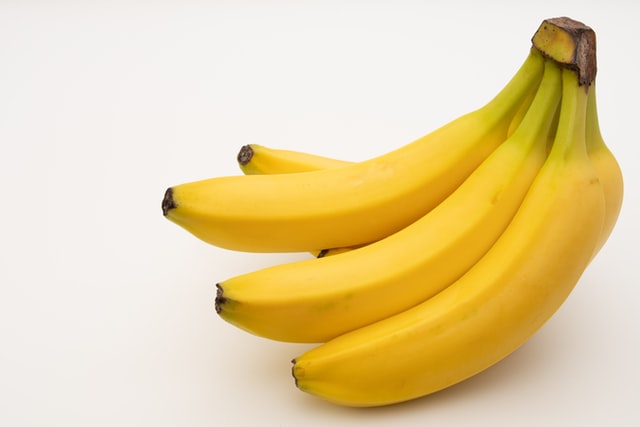
Do Bananas Help With Inflammation?


Delicious with cereal, fantastic for creamy, sweet smoothies, and perfect on their own: bananas are Australia’s favourite fruit. About 90% of Aussie households buy bananas on a regular basis, enjoying the tropical taste and natural energy boost for which the banana is so well-known.

Recently, however, there’s been a lot of talk about bananas and anti-inflammatory effects. Can the humble banana help to fight inflammation in the body? In this article, we’ll peel back the layers and get to the answer.

There is evidence to suggest that bananas help with inflammation

Some studies have shown that bananas can help to fight inflammation in the body.

One trial, in particular, showed that bananas may have impressive results as an anti-inflammatory food. In 2018, Appalachian State University conducted a trial which brought in 20 cyclists and tested their blood before and after exercise. The cyclists drank plain water, water with sugar or water with carbohydrates from two types of bananas. Researchers found that not only did both types of bananas reduce inflammation, they also had an antioxidant effect, which helped keep immune cells functioning optimally.

Could bananas be as effective as ibuprofen in fighting inflammation?

The incredible thing about this study is that researchers found that bananas target the same enzymes as ibuprofen to fight inflammation. The study focused on the effects of bananas on the enzyme COX-2 mRNA. Banana metabolites, or the products of metabolism, seem to limit the expression of COX-2 mRNA, the same enzyme targeted by ibuprofen. This, in turn, helps to fight inflammation.

Other foods to include in your diet in order to reduce inflammation
While bananas may help you to limit inflammation, they should be eaten alongside other anti-inflammatory foods if you want the best chance of reducing pain. Some of the best anti-inflammatory foods include:

  • Fish
    Fish that is rich in omega 3 fatty acids, like salmon, tuna, sardines and mackerel, reduces inflammation and protects against several autoimmune diseases such as rheumatoid arthritis.
  • Turmeric
    Packed with the active ingredient of curcumin, turmeric can help with inflammation of many areas of the body.
  • Green, leafy vegetables
    Green, leafy veggies such as spinach, kale and collards are some of the most effective foods in reducing inflammation. These foods are excellent for digestion and possess antioxidant qualities.
  • Berries
    Blueberries, in particular, are known for their superfood status and most berries have anti-oxidants called anthocyanins which are proven to reduce inflammation and fight against inflammatory diseases.

To learn more about anti-inflammatory diets and seek advice that’s tailored to you, contact Melbourne’s best naturopath – Luke Clarke. Luke is a functional medicine practitioner and naturopath who has treated and advised many people suffering from different types of inflammation. Combining science and naturopathic philosophies, Luke Clarke cares about your health and works alongside you to improve it. Contact Luke Clarke for a free, 10-minute consultation.

Filed Under: Uncategorized

April 12, 2022 by Jen King Leave a Comment

Does An Anti-Inflammatory Diet Help IBS?

Irritable Bowel Syndrome (IBS) is, sadly, an incredibly common condition in Australia. According to the Victorian Government’s Better Health Channel, around one in five Australians experience the unpleasant symptoms of IBS.
There’s no wonder why naturopaths like Luke Clarke constantly receive queries about treating IBS. Something that’s commonly asked is whether an anti-inflammatory diet can help treat IBS. Let’s take a look!

Anti-inflammatory diets can certainly help IBS

Anti-inflammatory diets have been proven to help treat IBS. Inflammatory foods, such as FODMAPs, are often linked with increased symptoms of IBS. When you go on an anti-inflammatory diet like a low-FODMAP diet, you cut out foods that contribute to inflammation in the body.

Low-FODMAP diet

Many anti-inflammatory foods are also low-FODMAP foods. FODMAP stands for fermentable oligosaccharides, disaccharides, monosaccharides and polyols which are all carbs that your small intestine may have trouble digesting. When you remove FODMAPs from your diet and replace them with anti-inflammatory foods, there’s a high chance that your IBS symptoms will reduce drastically.

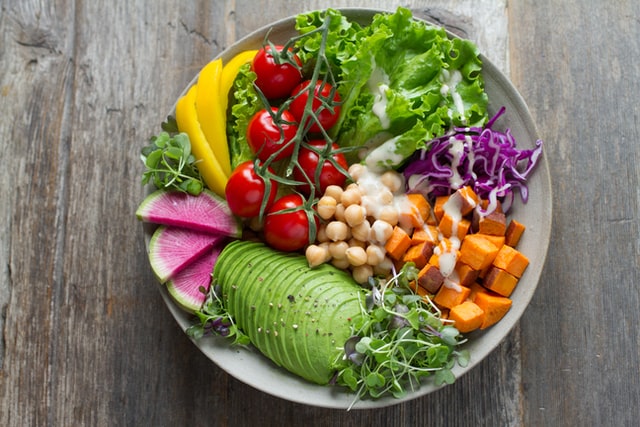
What are some anti-inflammatory foods to help IBS?

Here are some of the best foods to incorporate in your diet if you’re wanting to treat IBS naturally:

  • Fish
    Fish plays an important part in an anti-inflammatory diet. Fish that is rich in omega 3 fatty acids, like salmon, tuna, sardines and mackerel, reduces inflammation and protects against several autoimmune diseases such as rheumatoid arthritis.
  • Turmeric
    For many centuries, turmeric has been used as an anti-inflammatory food. Packed with the active ingredient of curcumin, turmeric can help with inflammation of many areas of the body.
  • Green, leafy vegetables
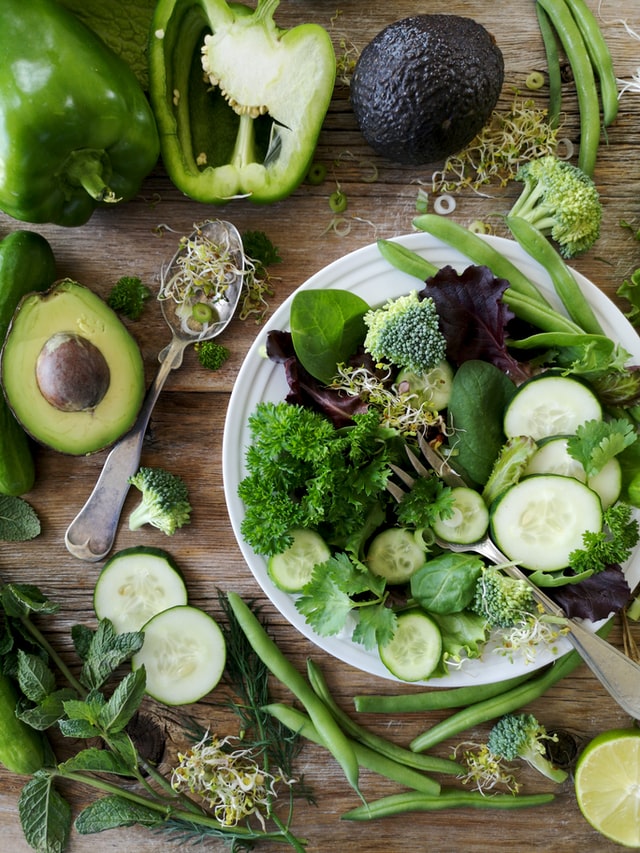
    Green, leafy veggies such as spinach, kale and collards are one of the best foods you can include in your diet if you suffer from an autoimmune disease. These foods are excellent for digestion, they possess antioxidant qualities and they can help fight inflammation. They’re also delicious in a variety of ways – from smoothies, to salads, to sandwiches.
  • Berries
    Berries are also on the good-to-go list for anti-inflammatory diets. Blueberries, in particular, are known for their superfood status and most berries have anti-oxidants called anthocyanins which are proven to reduce inflammation and fight against inflammatory diseases.

Diets tailored to IBS sufferers

Naturopaths like Luke Clarke treat IBS sufferers regularly. If you want a detailed, tailored diet plan to help treat IBS, arrange an appointment with Luke Clarke and start the route to pain-free living today.

Luke Clarke is a functional medicine practitioner and naturopath in Melbourne who has treated and advised many people in your position, who suffer from digestive issues. Combining science and naturopathic philosophies, Luke Clarke cares about your health and works alongside you to improve it. Contact Luke Clarke for a free, 10-minute consultation.

Filed Under: Uncategorized

March 29, 2022 by Jen King Leave a Comment

What Happens To Your Body On A Low-FODMAP Diet?


When it comes to healing your body naturally, food can certainly be medicine. Or, it can have the opposite effect and exacerbate issues within the body. This idea is what the low-FODMAP diet aims to address.

If you’re suffering from Irritable Bowel Syndrome (IBS) or Small Intestinal Bacterial Overgrowth (SIBO), then going on a low-FODMAP diet could work wonders. In this post, we’ll explain the different effects that a low-FODMAP diet can have on your body.

What does FODMAP mean?

But first, let’s explain ‘FODMAP’ itself. FODMAP stands for fermentable oligosaccharides, disaccharides, monosaccharides and polyols. These are short-chain carbohydrates which your small intestine may have trouble digesting. Some people experience a range of gut distress after eating these carbs, including diarrhoea, constipation, stomach cramps, bloating and flatulence.

What does a low-FODMAP diet involve?

The low-FODMAP diet is a temporary eating plan which aims to restrict and eliminate FODMAP carbs. A low-FODMAP diet is a discovery process to determine which foods aggravate your digestion and which foods don’t.

The low-FODMAP diet consists of three steps:

  1. Stop eating high-FODMAP foods and replace them with low-FODMAP foods
  2. Then, introduce them back into your diet and note which ones give you gut problems
  3. Once you’ve identified the problematic foods, you can cut them out or limit them in your diet

What happens to your body when going on a low-FODMAP diet?

Like most discovery process diets, the low-FODMAP diet aims to cut out foods that commonly cause indigestion issues, and then reintroduce them, step-by-step.

You might find that your IBS or SIBO symptoms drastically reduce after a matter of days or weeks. Then, you’ll slowly reintroduce a couple of FODMAP foods and monitor your symptoms. This could result in identifying the certain foods that aggravate your digestive system, or you could still be feeling quite OK. Step by step, you’ll reintroduce FODMAPs into your diet to see which foods cause your symptoms to flare up.

What happens if the diet has no effect?

There’s a possibility that the low-FODMAP diet won’t alleviate your symptoms. If this is the case, then we’ve still discovered something: that FODMAPs aren’t what’s causing your irritated bowel. Your naturopath will then suggest alternative route to achieving normal, pain-free bowel function.

If you suffer from IBS or SIBO, don’t hesitate to contact Luke Clarke today. Luke Clarke is a functional medicine practitioner and naturopath in Melbourne who has treated and advised many people in your position, who suffer from digestive issues. Combining science and naturopathic philosophies, Luke Clarke cares about your health and works alongside you to improve it. Contact Luke Clarke for a 10-minute free consultation.

Filed Under: Uncategorized

  • « Previous Page
  • 1
  • 2
  • 3
  • 4
  • 5
  • 6
  • …
  • 65
  • Next Page »

Contact Us

Luke Clarke

Phone: (03) 8820 0010

Clinic Address:
1 Ward Street
Ashburton VIC 3147, Australia
(Parking out the back – use laneway on left)

Menu

  • Home
  • About Me
  • What I Do
    • Functional Medicine
    • IBS (Irritable bowel syndrome) Treatment
    • Fibromyalgia Treatment
    • Gut Microbiome Testing
    • FODMAP
    • Adrenal Fatigue Treatment
    • Women’s Health
    • Men’s Health
  • Children’s Health
  • Blog
  • Contact

Sitemap

Sitemap
Copyright © 2025 · Luke Clarke