Luke Clarke

Functional Medicine Practitioner and Naturopath in Melbourne

Call US: 03 8820 0010
  • Home
  • About Me
  • What I Do
    • Functional Medicine
    • IBS (Irritable bowel syndrome) Treatment
    • Fibromyalgia Treatment
    • Gut Microbiome Testing
    • FODMAP
    • Adrenal Fatigue Treatment
    • Women’s Health
    • Men’s Health
    • Cleanse and Detox
    • Children’s Health
  • Blog
  • Women’s Health
  • Men’s Health
  • Children’s Health
  • Gut Health
    • How Do I Know if I Have Adrenal Fatigue?
    • What Are Functional Foods Examples?
    • What Are the Top Five Functional Foods?
    • What Foods Fight Inflammation?
    • The Health Benefits Of An Anti-Inflammatory Diet
    • What Is an Anti-Inflammatory Diet?
  • Contact

June 25, 2021 by Luke Leave a Comment

5 things we now know about the gut microbiome that we didn’t know before


Microba InsightsThere’s a lot we have learned about the gut microbiome, some of which has led to groundbreaking discoveries about human health.

The past decade has seen great advancements in gut microbiome analysis technology, led by Microba’s co-founders, Professors Phil Hugenholtz and Gene Tyson, who were able to make world-leading microbiome analysis available to the general public, right here in Australia.

Through this technology, scientists are building a growing body of evidence showing the links between the microorganisms in our gut and various health conditions. As we continue to investigate this fascinating area, we are discovering more about the gut microbiome every day, including a few interesting facts you may not have heard about yet!

1. Who you live with helps shape your gut microbiome

We inherit a lot from our parents, including some of the core species of bacteria that are commonly found in the human gut microbiome. However, unlike eye colour or blood type, environmental factors have the potential to shape our microbiome more than our genes. A recent study found that the gut microbiomes of cohabiting, but unrelated individuals, were more similar than related people living apart. In fact, the microbiomes of parents and their children or pairs of siblings living separately were no more similar than they were to unrelated individuals. This could be because people living together might eat the same foods, share similar lifestyle habits or be exposed to the same environmental microbes. Together, this adds to a growing body of evidence that your environment – including who you live with – actually has a more significant impact on the microbiome than genetics.

2. Living on a farm or playing outside as a child is good for your microbiome

We know getting outside has numerous benefits for our physical, mental and social health. It turns out that spending more time outdoors as a child can have a lasting impact on your gut microbiome, too. A recent study found that childhood living environment, such as living in a rural area or owning a pet, had lasting effects on the microbiome of adults, and these microbiome signatures were associated with better general health. It’s okay if you didn’t happen to live on a farm as a child – having more green space in your living environment as an adult can benefit the gut microbiome as well. This is a reminder that we often forget about the importance of getting out in nature, but it’s a simple way to improve the health of your microbiome.

3. Common prescription drugs (and not just antibiotics) have an impact on the microbiome.

While the impact of antibiotic use on the gut microbiome has stolen the spotlight, we now know that other commonly prescribed drugs can also have unintended consequences for this community of microbes. Recent metagenomic studies have shown that in addition to antibiotics, proton pump inhibitors (PPIs), anti-diabetic drugs, anti-inflammatory agents and laxatives have a strong impact on the structure and function of the gut microbiome. For example, PPI use was associated with an increase in species that are usually only found in the mouth, as well as a decrease in beneficial gut microorganisms. These recent insights highlight the need to consider not only how a drug will affect us, but how it will impact our gut microbiome.

If you are concerned that a medication you are taking might be negatively impacting your microbiome it is important to discuss this with the prescribing health care professional before making any changes to your medication regime.

4. Popular probiotic species aren’t as common in the gut as you might think.

Bifidobacterium and Lactobacilli species are the stars of any probiotic aisle, making it seem like they are essential for a healthy microbiome. But in fact, neither group of bacteria are found in the microbiome of most adults. Bifidobacterium species are common in the infant gut but decrease as we get older. In Microba’s own database, the gut microbiomes of healthy individuals showed that Bifidobacterium species only made up 0 – 1.02% of the total microbiome population, with Lactobacillus species present in less than 3% of Australian gut microbiomes. It should also be noted that, while having beneficial functions and being easy to study in the lab, Lactobacillus species do not tend to colonise the human gut. So, don’t worry if you don’t have these bacteria, there are plenty of other beneficial microbes that perform similar functions to look for!

5. Your gut microbiome can influence how you respond to a certain diet.

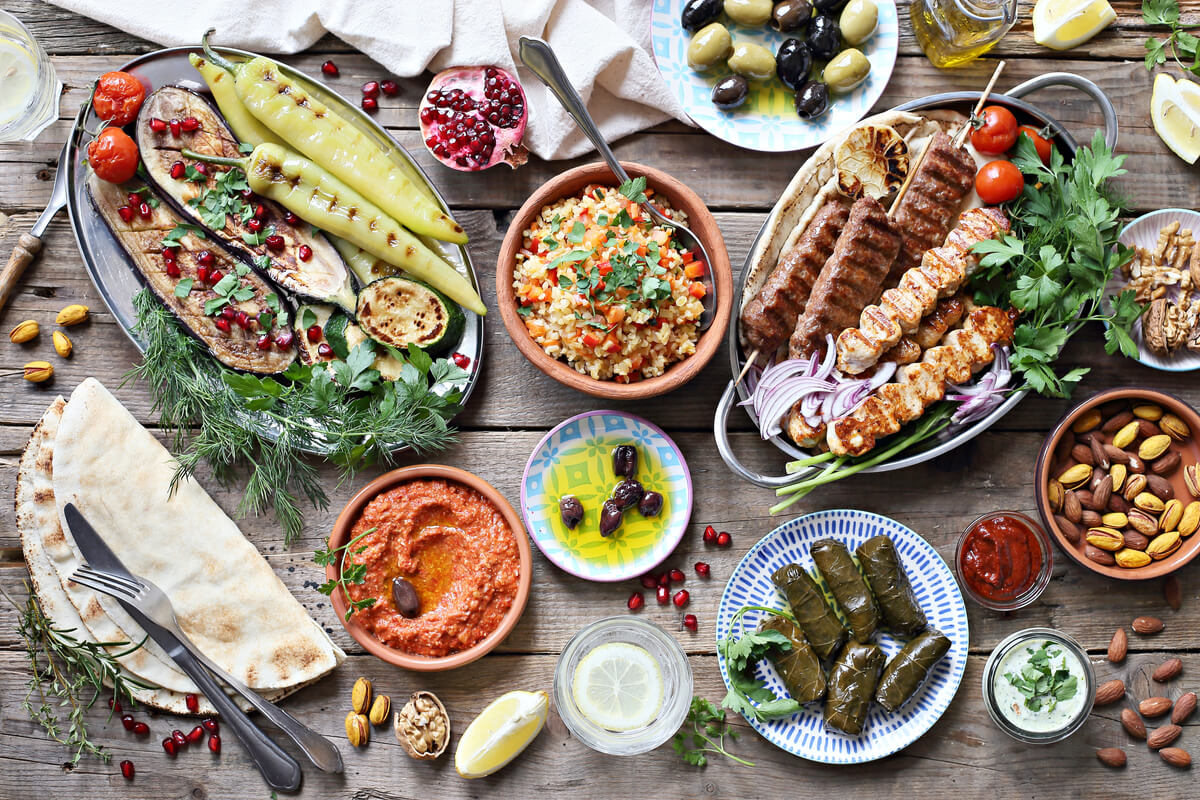
The Mediterranean diet has long been praised for its health benefits. Recent studies have revealed that this diet – high in fruits, vegetables, whole grains, nuts and olive oil and low in red meat and refined grains – is linked to improved metabolic and cardiovascular health through positive changes in the gut microbiome. For example, this healthy eating pattern is associated with an increase in beneficial microbial functions, such as short chain fatty acid production. Interestingly, this effect was strongest in people who had a lower abundance of a species called Prevotella copri (P. copri), suggesting that your baseline microbiome influences how you respond to a particular diet. This is supported by another study, which found that an individual’s baseline microbiome was able to predict how they would respond to a six-month weight loss program. Together, this work provides the foundation for future research that may help us understand how gut microbiome analysis can help guide personalised dietary patterns.

Summary

Advancements in microbiome sequencing technology has enabled an explosion of research helping us to understand how our microbiome influences our health but also how our diet, lifestyle, medication and supplement use impact our microbiome.

Author: Dr Kaylyn Tousignant Microba,
Microba

Filed Under: Uncategorized

June 25, 2021 by Luke Leave a Comment

More antioxidants in diet and body equal lower risk of mortality during up to three decades of follow-up

More antioxidants in diet and body equal lower risk of mortality during up to three decades of follow-up A meta-analysis reported in the  American Journal of Clinical Nutrition concluded that consuming more carotenoids and vitamins C and E, and/or having higher levels of these antioxidants in the blood was associated with a lower risk of cardiovascular disease, cancer or all-cause mortality during follow-up periods that ranged from 2.1 to 32 years.


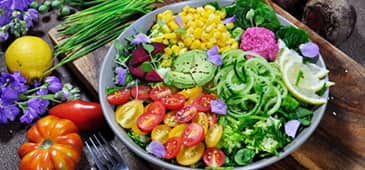
“These results support the notion that a high intake of fruits and vegetables, especially those high in vitamin C and carotenoids, reduces the risk of cardiovascular disease, cancer, and premature mortality,” the authors conclude.

The researchers selected 69 prospective studies for the meta-analysis. For every 100 milligram per day increase in dietary vitamin C, they calculated a 12% lower risk of coronary heart disease, an 8% lower risk of stroke, a 7% lower risk of cancer, and 11% lower risks of cardiovascular disease and mortality from any cause during follow-up. For each 50 micromole per liter increase in blood levels of the vitamin, the risk of coronary heart disease was 26% lower, the risk of stroke was 30% lower, cardiovascular disease risk was 24% lower, cancer risk was 26% lower, and mortality during follow-up was reduced by 28%. Dietary intake and/or blood levels of the carotenoids, including alpha-carotene, beta-carotene, beta-cryptoxanthin and lycopene were similarly associated with risk reductions.

Higher blood levels of vitamin E were associated with decreased risks of stroke, cancer and all-cause mortality

Filed Under: Uncategorized

May 11, 2021 by Luke Leave a Comment

The 3 Best Ways to Increase Bone Strength Naturally

The skeletal system is essential for movement and physical strength and is the largest mineral reservoir in the body. Beginning in the fourth decade of life, bone density naturally declines and steadily decreases over time. This steady decline leads to bone loss and for millions of adults, osteopenia (weak, porous bones) and, ultimately, osteoporosis, a condition characterized by decreased bone density and increased risk of fracture. Bone loss largely goes undetected until a fracture occurs. Diet, supplements, and exercise can all help build bone strength and prevent bone loss.

Understanding bone strength and bone density
Despite its rigid structure, bone is living tissue that is constantly undergoing remodelling and adapting to physical and chemical stresses. The process of bone remodelling is governed by two types of cells—bone-building osteoblasts and bone-degrading osteoclasts. When osteoblast activity is high and osteoclast activity is low, bone density and bone strength are at optimal levels. However, when osteoblast activity is insufficient, bone is broken down faster than it is built. Aging, inflammation, and decreased sex hormones (e.g., estrogen and testosterone) all result in reduced bone strength, lower bone density, and ultimately bone loss. A dual-energy x-ray absorptiometry (DEXA) scan is the gold standard for detecting bone loss and diagnosing osteopenia and osteoporosis.

How to strengthen bones
Changes in bone density typically do not present with any symptoms and are detected using an X-ray or DEXA scan. Diet, supplementation, and exercise can naturally strengthen bone and help prevent bone density loss. Below is an overview of the dietary, supplement, and exercise recommendations that build bone strength, no matter your age, hormone status, or bone density level.

Diet
One of the most researched and practitioner-recommended diets providing bone-building nutrients, healthy fats, and adequate protein is the Mediterranean diet. A recent study demonstrated that women who adhered closely to the Mediterranean diet had higher bone density and muscle mass than those who didn’t. The results applied regardless of the participants’ smoking behaviour, physical activity, or previous use of hormone therapy. Another randomized controlled European trial of approximately 1,150 subjects performed a 12-month Mediterranean diet intervention. Scientists found a reduced rate of femoral neck (located at the top of your thigh bone) bone loss and an improvement in overall bone mineral density. Monounsaturated and polyunsaturated fats, along with lots of fruits and vegetables, were also found to contribute to the increases in bone density.

The Mediterranean diet may help improve bone strength and bone density long-term.

Increasing protein is also important as you age. There’s a common misconception that increasing protein causes bone loss due to excess acid production. However, studies indicate that protein boosts a hormone called IGF-1, which helps build bone strength and has been found to increase bone density. The inner matrix of the bone is also largely built on type 1 collagen and other proteins that require dietary and supplemental protein. Adding lean meats, a collagen protein supplement, whey protein, rice and pea proteins, quinoa, hemp, and chia seeds are all great options for building bone strength.

Reducing alcohol consumption, quitting smoking, and reducing excess caffeine intake can all help boost bone density. Several studies have shown that toxin accumulation and over consumption of harmful substances can lead to bone loss. Toxins overwhelm your antioxidant defences, activate bone breakdown, and stimulate your kidneys to release more calcium into your urine. While coffee and tea can have some health benefits, excess consumption of caffeinated beverages in general can lead to calcium loss over time.

Exercise
Bone is living tissue and responds to physical stress by adapting and creating greater bone strength. A first-line approach to osteoporosis prevention and treatment should include resistance exercise. While you may not want to lift weights to maintain bone density, the good news is that you don’t necessarily have to. Body weight exercise and aerobic activity are great ways to develop bone strength. Using weights and resistance bands provides more direct stress to the bones, boosting remodelling and bone strength. Examples of body weight exercises that can be done at home to build bone strength and preserve bone density include:

  • Dips on chairs
    Jumping and hopping
    Leg lifts
    Lunges
    Planks
    Push-ups
    Rowing
    Squats

Resistance exercise has been shown to be an effective bone strength strategy.

Supplements
The following supplements have been shown to improve bone density and strength.

Calcium
Calcium is a mineral that is crucial for bone density. Up to 99% of your body’s calcium is stored in your bones and makes up the inner crystalline structure called hydroxyapatite.  Most people consume adequate amounts of calcium through the diet with the help of food fortification. For example, many breakfast cereals, store-bought orange juices, and non-dairy beverages are fortified with calcium. When it comes to calcium supplements, more is not always better. Too much calcium has been associated with increased cardiovascular risk, so it is important to work with a knowledgeable practitioner to find the right calcium dose. Dairy consumption is by far the easiest way to increase calcium in the diet, but many individuals are lactose intolerant and should avoid it. Tofu, broccoli, kale, collard greens, bok choy, oranges, and figs are also good sources of calcium.

Vitamin D
Vitamin D is a fat-soluble vitamin that is crucial for bone density. Without it, our body wouldn’t be able to absorb and retain any calcium. The most abundant source of vitamin D comes from the sun, but you can also get small amounts from oily fish, red meat, liver, egg yolks, and many fortified foods. However, even with a perfect diet and living in a warmer climate, it is difficult to get adequate vitamin D. Using a simple blood test, your integrative healthcare practitioner can determine whether you may benefit from a vitamin D supplement.

Vitamin D, once activated in the body, acts as a hormone and has been shown to have an anabolic effect on bone. V  Vitamin D also positively influences the immune system, cardiovascular system, and cognitive health.

Vitamin K
Vitamin K, another fat-soluble vitamin, plays a key role in bone strength. There are two primary forms of vitamin K—vitamin K1 (phylloquinone) and vitamin K2 (menaquinone). Studies show that both benefit bone strength by activating a protein called osteocalcin, which pulls calcium from your bloodstream and deposits it into your bones. Vitamin K2 has been shown to activate matrix Gla protein (MGP), which prevents calcium from being deposited in your arteries and causing cardiovascular issues. Sub-optimal bone density is commonly found in individuals who are vitamin K deficient. Adding parsley, avocados, kiwis, spinach, and prunes to your diet can boost K1 and enhance production of K2 in the gut microbiome.

Magnesium
Magnesium is a mineral that performs over 600 cellular reactions in your body and is one of the most common nutrient deficiencies. Recent observational studies on diet and supplement intake in post-menopausal women have shown that lower bone density in the hip and whole body were found in participants with lower daily magnesium intake. Magnesium increases bone strength by reinforcing the inner crystal structure in the matrix of the bone. Magnesium makes the matrix pores smaller and helps with collagen production, which improves bone strength by giving it more flexibility. Magnesium is also required for converting vitamin D into its active hormone form. Without adequate magnesium, bone strength and bone density may begin to decline. Dietary sources of magnesium include nuts, seeds, whole grains, and spinach.

Strontium citrate
Strontium citrate, a naturally occurring trace mineral similar to calcium, is found in sea water and soil. Strontium citrate activates bone-building osteoblasts and limits bone breakdown by slowing down osteoclast activity. Research on strontium citrate shows that it can increase bone density and bone strength and prevent bone loss in postmenopausal women. Dietary sources of strontium include cabbage, parsley, grapefruit, nuts, asparagus, onions, carrots, tomatoes, oranges, and cucumbers.

Other nutrients
Other lesser-known vitamins, minerals, and nutrients that have been shown to improve bone density include omega-3 fatty acids, zinc, selenium, manganese, molybdenum, chromium, boron, ipriflavone, and B vitamins.

Dietary supplements can help fill nutrient gaps and improve bone strength.

The bottom line
Focusing on a whole-food, nutrient-dense diet is key to any bone strength strategy, regardless of whether you decide to follow the Mediterranean diet or not. Many fruits, vegetables, lean meat, nuts, and seeds provide calcium, magnesium, vitamin K, and many trace minerals that help increase bone strength and maintain bone density. Resistance exercise should be part of your weekly physical activity plan to maximise bone density and prevent osteoporosis. High-quality supplements can be part of your bone density plan and you should consider working with an integrative practitioner to determine whether supplementation is right for you.

Filed Under: Uncategorized

March 22, 2021 by Luke Leave a Comment

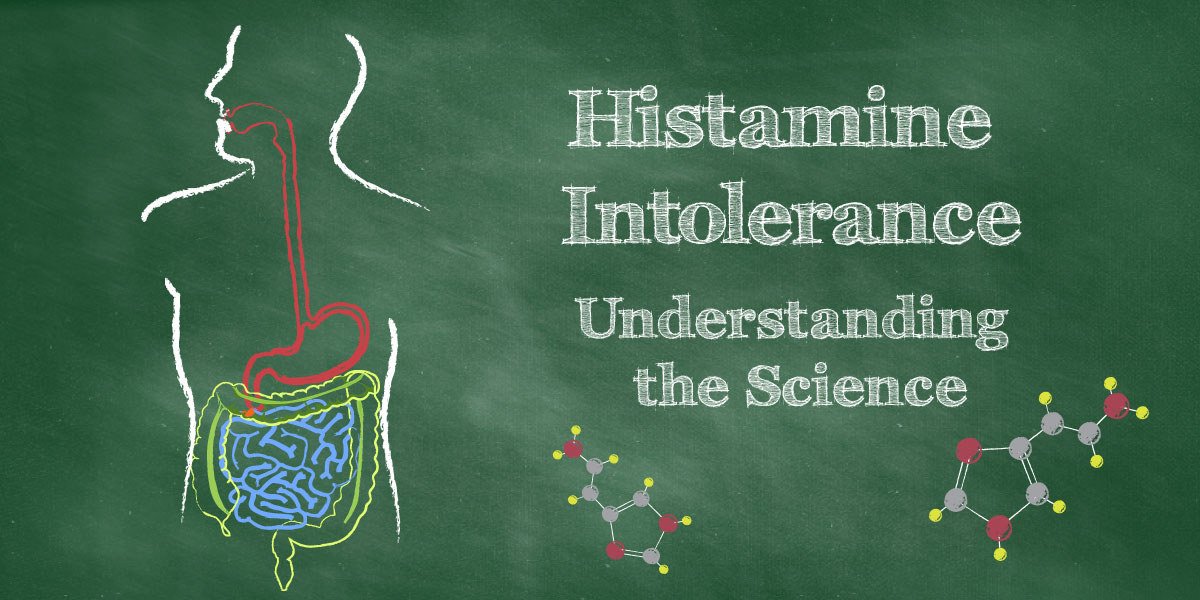
Histamine Intolerance: A Beginners Guide

Many people turn to a wholefoods diet in a bid to manage a variety of health concerns such as irritable bowel syndrome (IBS), chronic sinusitis, anxiety, headaches or fatigue. However some find little improvement in their symptoms and some, in fact, may even get worse. They may also find certain medications prescribed to help with these issues may instead aggravate them, which can be extremely frustrating.

This is a scenario that often occurs for the many sufferers of histamine intolerance (HIT), a condition that is frequently misdiagnosed though one that is becoming more prevalent. Currently, it is thought that roughly 1% of the population could be histamine intolerant with approximately 80% of those affected being middle-aged, with females being more susceptible than males.

What is Histamine Intolerance?

HIT occurs when the body is unable to breakdown histamine effectively because of a defect in one of two enzymes – diamine oxidase (DAO) and histamine N-methyltransferase (HNMT). DAO is found in the intestine and is the primary enzyme for the metabolism of histamine in foods, while HNMT is the primary enzyme for the degradation of histamine in intracellular tissue, such as the bronchial epithelium. When DAO or HNMT enzyme activity is deficient, histamine is reabsorbed in the intestines and carried through the bloodstream in its active form, causing an excess of histamine in the body that results in an array of symptoms that can mimic an allergic reaction.

Symptoms Associated with HIT

Unlike other food intolerance’s and allergies, the issue with HIT is cumulative. Reactions are not always immediate, as smaller amounts of histamine are unlikely to cause any negative effects, making the trigger difficult to pinpoint.

Symptoms may present differently from person to person and may present across multiple systems, with the digestive, respiratory, cardiac, and nervous systems being the most commonly affected. Some of the most prevalent symptoms of histamine intolerance include:

  • Abdominal pain, Abnormal periods, Anxiety
  • Asthma, Breathing difficulties (e.g. wheezing), Chest pain
  • Confusion, Conjunctivitis, Diarrhoea
  • Dizzy spells, Excess mucous, Fatigue
  • Flushing, Headaches, Hives
  • Hypertension, Hypotension, Insomnia
  • Irritability, Nausea and/or vomiting, Nasal congestion
  • Night sweats, Panic attacks, Pruritus
  • Reflux, Sinus problems, Sneezing, often in fits
  • Tachycardia, Temperature dysregulation, Tissue swelling and inflammation

What Causes HIT?

Factors that contribute to the onset of HIT are many and varied and may include:

  • Deficiencies or dysfunction of DAO, or HNMT. This is usually the result of a genetic fault although gut dysbiosis, certain medications and certain foods can also block the function of all these enzymes.
  • Nutrient deficiencies such as copper, vitamin C vitamin B6 or zinc (although some suggest this is controversial).
  • Nutrient excesses like histidine, or a protein excess in general.
  • Taking medications that may block DAO or release excess histamine such as analgesics, antibiotics, antidepressants, antacids, diuretics and non-steroidal anti-inflammatories (NSAIDs).
  • Excessive histamine consumption (avocado, dried fruits, eggplant, fermented foods, high protein intake, aged foods, leftovers).
  • Excessive consumption of foods that trigger the release of histamine (citrus, bananas, pork, egg white, chocolate, crustaceans, spinach).
  • Hormonal imbalance (insufficiency or excess); an increase in oestrogen levels in particular make women more susceptible to HIT.
  • High levels of stress place high nutrient demands on the body.
  • Gut dysbiosis, IBS or inflammatory bowel disease (IBD).
  • Presence of pathogens (many of which produce histamine or block methylation).

How is HIT Diagnosed?

The gold standard approach for the diagnosis of HIT is a low histamine diet for one month, followed by slow reintroduction of medium to high histamine foods. If symptoms improve markedly during the elimination period, HIT is the likely diagnosis.

HIT testing has not been widely available in Australia and, until recently, very few laboratories offered anything but urine testing. More recently, blood tests have become available which assay IgG and IgE mediated food allergy and intolerance. In addition, genetic testing can provide information regarding any genetic defects associated with histamine metabolism that may be contributing to the condition.

Which foods Should be Avoided on a Histamine Diet?

Certain foods contain high levels of histamines while others have a histamine liberating effect. When undertaking a low histamine diet both groups of foods need to be avoided, given the result is essentially the same, being that excess histamines in the body causing a histamine reaction.

Foods High In Histamine

  • Additives and preservatives
  • Alcohol (particularly beer and wine)
  • Avocado
  • Coffee and tea
  • Cured and smoked meats and seafood
  • Dried fruits
  • Eggplant
  • Fermented foods (cheese, kimchi, kombucha, sauerkraut, yoghurt)
  • Foods high in protein
  • Vinegars and vinegar containing foods (e.g. pickles and mustard)

Leftovers can also cause an excessive reaction, as histamine content increases with the maturation of food.

Foods that Liberate Histamine

  • Bananas
  • Chocolate / cacao / carob
  • Citrus fruits
  • Crustaceans
  • Egg white
  • Most nuts and seeds (except macadamias)
  • Paw paw
  • Pineapple
  • Pork
  • Spinach
  • Strawberries
  • Tomatoes and tomato-based products

Certain medications may also block DAO activity or liberate histamine, both of which will cause a histamine reaction. Examples include antidepressants, NSAIDs or radio-contrast agents used for x-rays.

Naturopathic Approach to the Treatment of HIT

The naturopathic approach to managing HIT considers the numerous contributing factors and suggested treatment may include:

  • Management of gut dysbiosis (most important).
  • A low histamine elimination diet for one month, with slow reintroduction of higher histamine foods to test for tolerance.
  • Balancing hormones and addressing any associated conditions such as adrenal fatigue or high stress.
  • Focusing on associated methylation issues, where genetic factors (e.g. MTHFR) are contributing, and amending or adding supplementation as required.
  • Herbal medicines such as Albizia lebbek (albizia) and Ocimum sanctum (holy basil) have been shown to stabilise mast cell activity, while Scutellaria baicalensis (baical skullcap) and Nigella sativa (black cumin) have been shown to inhibit the release of histamine from mast cells. To date, limited clinical trials showing the effects of these herbs have been completed and some supporting evidence is from animal studies.
  • General anti-inflammatory and immune support is also useful
  • Nutrient supplementation with some of the most important being:
    • quercetin (antihistamine and anti-inflammatory properties)
    • vitamin B6 (increases DAO activity)
    • vitamin C (increases histamine metabolism and breakdown)
    • vitamin E (may decrease mast cell activation)
    • magnesium sulfate (inhibits the release of histamines).
  • Specific probiotic strains such as Lactobacillus reuteri, Lactobacillus plantarum, Lactobacillus shirota, Lactobacillus rhamnosus GG, Lactobacillus rhamnosus Lc705 and a combination of Bifidobacterium longum and Bifidobacterium infantis have also been shown to have positive effects by working as anti-histamines and/or mast cell stabilisers, though additional clinical trials in humans are needed
  • DAO enzyme supplementation is also often suggested, however the Therapeutic Goods Administration has not yet approved these for use in Australia. It is also worth considering that use of DAO enzymes means the root cause of the issue is not being addressed.

TOP 5 THINGS TO KNOW ABOUT HIT

  1. Because of the vast array of symptoms involved in HIT, it can be difficult to detect and is often misdiagnosed for conditions such as anxiety disorder, IBS, chronic sinusitis and even candida overgrowth.
  2. A ‘healthy diet’ may cause severe aggravation of HIT as many natural and wholesome foods such as bananas, avocado, spinach and fermented foods are extremely high in histamines or liberate histamines.
  3. Gut dysbiosis is one of the key mechanisms in HIT so working with a naturopath to restore optimal gut function is essential.
  4. Both physical and emotional stress can significantly increase histamine levels in the body, so stress management is a fundamental aspect of treatment.
  5. Long-term use of anti-histamines can lead to HIT, so it’s best to try and address or manage the cause as opposed to masking the symptoms.

Filed Under: Uncategorized

February 12, 2021 by Luke Leave a Comment

Probiotics for Mood Support

Recent research has discovered something extraordinary: that consuming specific types of probiotic supplements can have a positive effect on mood, through interactions with the microbiome and effects on the gut-brain axis.

What is the microbiome?

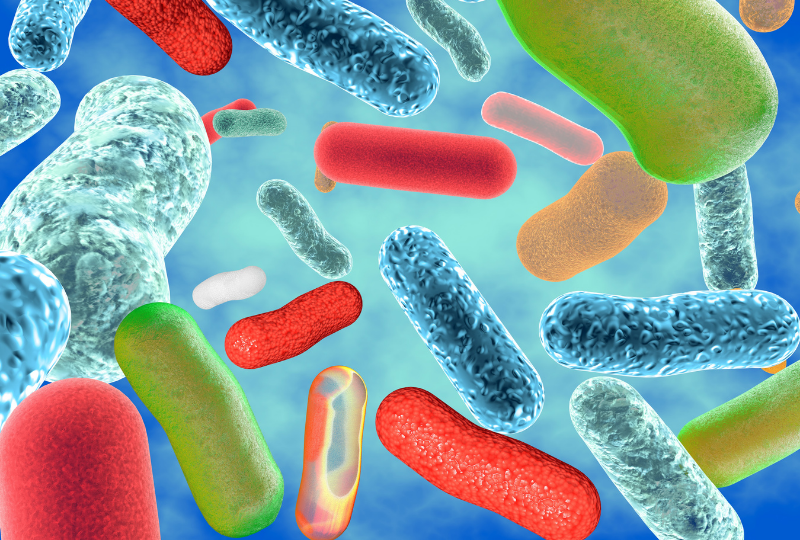
Our gut contains trillions of bacteria, some of which are beneficial, while others are harmful or opportunistic. Collectively these bacteria are known as the microbiome, and they play a vital role in maintaining our health.

How does the microbiome affect mood?

Gut bacteria affect mood through a communication pathway called the gut-brain axis. This involves microbiome-mediated vagus nerve signalling, production of neurotransmitters and other neuroactive substances, and control of inflammation.

Research has revealed that our gut bacteria affect mood through a variety of mechanisms.

Can altering the microbiome alter mood?

Scientists have shown that the make-up of the microbiome is different in people with mood disorders and neuro-development conditions like Autism Spectrum Disorder than in the general population. Preliminary research shows that altering the microbiome can improve mood and even beneficially alter behaviour. The microbiome can be positively altered through fibre supplementation and supplementation with specific probiotics known as psychobiotics.

What are psychobiotics?

Psychobiotics are a class of probiotic which confer a mental health benefit when ingested in adequate amounts. These benefits may come directly from the psychobiotics or may come about through interaction of the psychobiotics with the existing microbiome already in your digestive system.

Psychobiotics are a class of probiotic which confer a mental health benefit.

Lactobacillus reuteri – A novel psychobiotic

Studies in animals and humans have shown that psychobiotics can affect mood, cognition and behaviour in a positive way. The exact effects depend on the type and the strain of bacteria used. For example, supplementation with a psychobiotic called Lactobacillus reuteri ATCC PTA 6475 improves social behaviour in animal models of Autism Spectrum Disorder. This is mediated through its effect on gut lining integrity, systemic inflammation, and neurotransmitter production. Other strains have shown benefit in improving low mood.

Summary

Caring for your microbiome through healthy eating and supplementation with the correct psychobiotic strains may improve mental wellbeing.

Filed Under: Uncategorized

  • « Previous Page
  • 1
  • …
  • 5
  • 6
  • 7
  • 8
  • 9
  • …
  • 65
  • Next Page »

Contact Us

Luke Clarke

Phone: (03) 8820 0010

Clinic Address:
1 Ward Street
Ashburton VIC 3147, Australia
(Parking out the back – use laneway on left)

Menu

  • Home
  • About Me
  • What I Do
    • Functional Medicine
    • IBS (Irritable bowel syndrome) Treatment
    • Fibromyalgia Treatment
    • Gut Microbiome Testing
    • FODMAP
    • Adrenal Fatigue Treatment
    • Women’s Health
    • Men’s Health
  • Children’s Health
  • Blog
  • Contact

Sitemap

Sitemap
Copyright © 2025 · Luke Clarke