Luke Clarke

Functional Medicine Practitioner and Naturopath in Melbourne

Call US: 03 8820 0010
  • Home
  • About Me
  • What I Do
    • Functional Medicine
    • IBS (Irritable bowel syndrome) Treatment
    • Fibromyalgia Treatment
    • Gut Microbiome Testing
    • FODMAP
    • Adrenal Fatigue Treatment
    • Women’s Health
    • Men’s Health
    • Cleanse and Detox
    • Children’s Health
  • Blog
  • Women’s Health
  • Men’s Health
  • Children’s Health
  • Gut Health
    • How Do I Know if I Have Adrenal Fatigue?
    • What Are Functional Foods Examples?
    • What Are the Top Five Functional Foods?
    • What Foods Fight Inflammation?
    • The Health Benefits Of An Anti-Inflammatory Diet
    • What Is an Anti-Inflammatory Diet?
  • Contact

February 25, 2020 by Luke 1 Comment

Is Inflammation The Hidden Cause of Depression?

Inflammation: The Hidden Cause of Depression

Think back to the last time you injured yourself. Perhaps you fell over and hurt your knee, or sprained your ankle playing sport. Along with the pain, you can probably recall how swollen, red and hot the area became. These changes were a sign of your body’s protective inflammatory response springing into action.

Although uncomfortable, inflammation enabled you to heal by forcing you to rest the affected limb and avoid injuring yourself further; protecting the area from infection; and clearing away damaged tissue. As healing occurred, the swelling and redness resolved, and your ankle went back to normal.

If a sprained ankle is what you think of when you hear the word ‘inflammation’, you are probably wondering what a simple injury and depression could possibly have in common. The answer is, more than you think.

Burn, Baby, Burn

There is a type of inflammation you can’t see as it may not be localised to a particular area, or have an obvious trigger, such as an injury. Instead, it’s systemic (affecting multiple areas throughout the body), and occurs on a microscopic scale.

However, just like the inflammation of a sprained ankle, systemic inflammation begins as a protective response to a trigger, such as infection or cell damage, and is designed to help you heal. Unfortunately, if the trigger is persistent, as in the case of chronic disease or infection, environmental exposure to irritants (e.g. pollution, smoking), or even chronic stress, then the inflammation remains constant. This creates a chronic, low-grade inflammatory state, which may damage healthy tissue and disrupt the functioning of many body systems and organs – including your brain.

Inflammation The hidden Cause of Depression Metagenics Australia New Zealand Blog

Sick, Tired, and Depressed

To understand how chronic inflammation can affect mood, let’s consider something called ‘sickness behaviour’. Think back to a time when you had a significant infection – perhaps it was influenza, or a bad bout of bronchitis. How did you feel?

If you’re like most people, you were exhausted; struggled to think; lost your appetite, your sense of pleasure, and your desire to spend time with others; and you probably felt very down. Rather than purely being caused by illness, these feelings were also a consequence of inflammation and, again, were designed to help you heal. How? By creating ‘sickness behaviours’, such as resting and keeping away from other people, which give you the best chance to recover without spreading the infection to others.

If you’re one of the 1.16 million Australians struggling with depression, you will have noticed the similarities between the feelings described above – such as a low mood, anhedonia (loss of pleasure) and fatigue – and how you feel when you’re depressed.

So, if inflammation can create depression-like feelings and behaviours in the context of being sick, can it cause depression in an otherwise healthy person?

Brain on Fire

Although inflammation and depression are definitely linked, researchers are still trying to establish which comes first, inflammation or depression. Here is what we know so far:

  • Otherwise healthy people with depression have higher levels of markers of inflammation in their blood compared with non-depressed, healthy individuals, including the systemic inflammatory marker, C-reactive protein (CRP)
  • Children with elevated levels of CRP in their blood are more likely to develop depression 5 to 10 years later as young adults
  • People who have been depressed for a long time show 30% more brain inflammation than those who are depressed for a shorter amount of time
  • Depression is significantly more likely to develop in people with other inflammatory disorders, such as rheumatoid arthritis, chronic pain, obesity, diabetes, and cardiovascular disease
  • Anti-inflammatory medications have been shown to reduce the severity of symptoms of depression

Grab the Fire Extinguisher

The good news is that reducing your level of inflammation (also called your ‘inflammatory load’) could help with your mood. You can influence your inflammatory load by tweaking your daily diet, exercise and supplements.

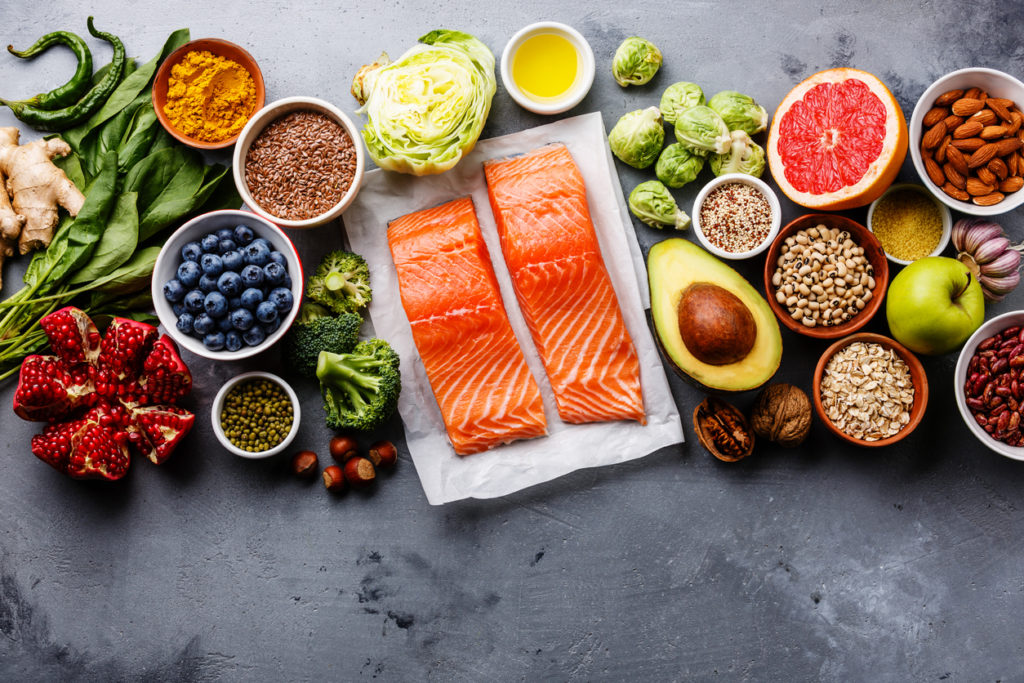
Anti-inflammatory foods

Your diet can either promote or reduce inflammation. In fact, people who end up developing depression often have higher intakes of pro-inflammatory foods such as sugar, unhealthy fats, and carbohydrates. Swap these foods for anti-inflammatory choices, such as fruits, vegetables, legumes, nuts, seeds, wholegrains and fatty fish. It can be as easy as starting with a bowl of lightly steamed vegetables, a tin of salmon, and some brown rice for lunch.
Inflammation The hidden Cause of Depression Metagenics Australia New Zealand Blog

Exercise

Just 20 minutes of moderate exercise, such as brisk walking, dancing, gardening or gentle cycling, has been shown to significantly reduce inflammation. Additionally, exercise provides well-known mood-boosting benefits, such as an increase in endorphins (feel-good brain chemicals). Start with whatever you can commit to doing at least three times a week, and build from there.

Supplements

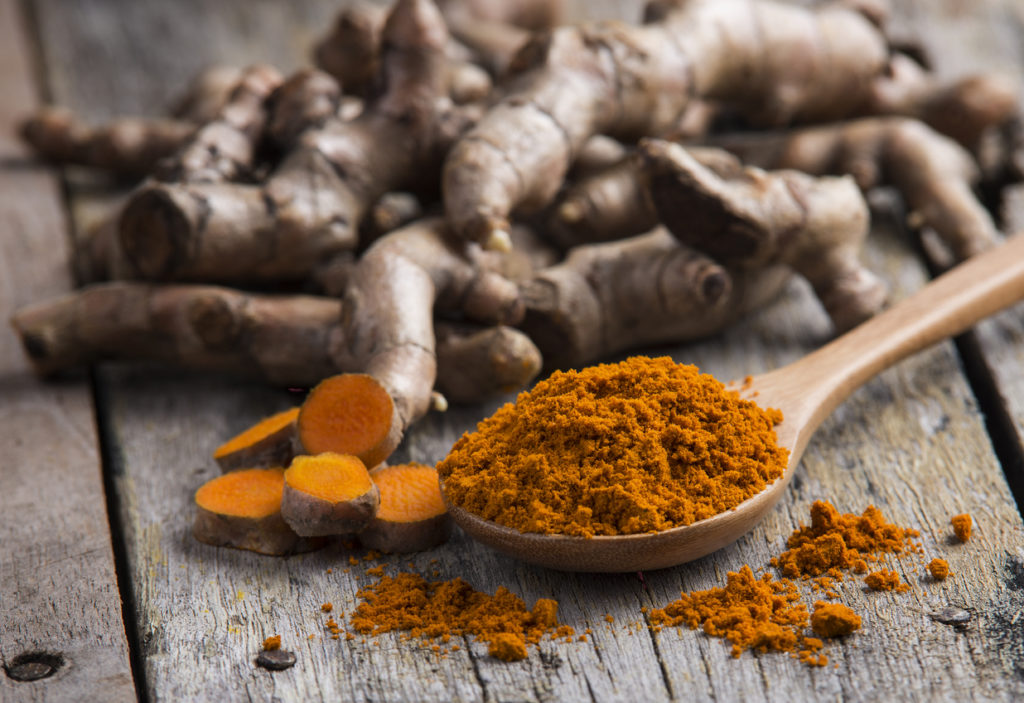
Turmeric is one of the most well-researched anti-inflammatory supplements. It significantly improves symptoms of depression when taken for at least four to six weeks, and also reduces anxiety in depressed people, without causing any unwanted side effects. In fact, a specific turmeric extract, known as BCM-95™, combined with saffron has shown similar benefits to an antidepressant medication. 
Inflammation The hidden Cause of Depression Metagenics Australia New Zealand Blog

Put Out the Fire for a Better Mood

Inflammation and depression are inextricably linked. Regardless of which comes first, reducing your inflammatory load is vital in the fight against depression, enabling you to put out the fire of inflammation and achieve a healthy mood. For help changing your diet and exercise habits, or to help you choose the supplements that will be the best fit for you, get in touch with your natural healthcare Practitioner.


Filed Under: Uncategorized

February 25, 2020 by Luke Leave a Comment

What Causes the Mid-Afternoon Slump, and How to Deal With It

 What Causes the Mid-Afternoon Slump, and How to Deal With It

Does your motivation level come to a grinding halt when the clock strikes 3pm? Do you feel fatigued, sluggish and unable to concentrate on your work? If so, chances are you are experiencing the common ‘mid-afternoon slump’, where your energy levels clock out before you have permission to!

Whilst a slight dip in energy after lunchtime is normal, a major slump where you struggle to recover your focus, even with the help of some fresh air or a short break, may indicate a deeper issue with the way your body maintains its energy levels.

Let me explain…

Your body makes energy from the food you eat; the digestive system breaks down carbohydrates (found in foods such as vegetables and grains) to produce glucose, which is moved into your cells to create energy, or stored for later use. This process is controlled by the hormone, insulin, which is responsible for keeping a steady flow of glucose into your cells, and therefore an even flow of energy for your body’s needs.

This maintains your mental and physical momentum all day– keeping you feeling focused and active. However, in some instances, insulin is unable to effectively usher glucose into your cells – reducing your brain’s access to the fuel it needs to keep you switched on.

There are several reasons why this can occur, and many of these can be addressed naturally. To help you beat the slump, we’ve created a list of its top three causes and how to correct them, so you can get back to performing at your peak!

What Causes the Mid Afternoon Slump, and how to deal with it Metagenics Australia and New Zealand Blog

Running on empty without enough nutrients

Insulin’s ability to do its job relies on certain nutrients, however, it is common for many individuals to fall short of getting enough of these nutrients from their diet. This can occur for various reasons, including poor dietary habits and declining levels of nutrients in our food (due to farming, storage and transporting practices). On top of this, stressful events and certain medications can also deplete your nutrient levels by increasing the demand for particular nutrients, affecting their absorption from the gut, or by increasing clearance of these nutrients from the body.

Research has shown that low levels of vitamin D, magnesium, zinc and chromium can all impair how well your insulin ushers glucose into your cells, and this can limit the amount of glucose getting through to your brain, sending you into a slump.

If you think you might be lacking in some of these nutrients, seek the advice of a Practitioner who can identify nutritional deficiencies and help you manage them. In addition to reversing deficiencies, they may also prescribe natural ingredients such as alpha lipoic acid, which enhances your cells’ ability to access glucose, helping your body get the steady stream of glucose and energy it needs.

Going into overdrive with stress

Your natural stress response is a wonderful thing as it allows you to tap into an alert, high-functioning state, both mentally and physically, to allow you to cope with and adapt to stress. That said, the pace of modern life can often lead to constant activation of your stress response, which can cause problems with blood glucose and energy levels.

Stressful situations cause the body to release high levels of cortisol, a hormone that stimulates the body to overcome stressful events by causing helpful changes, such as the release of stored glucose so that your cells can access energy on demand. Once midday hits, cortisol naturally tapers down (in preparation for allowing you to fall asleep in the evening), taking its glucose-releasing effects with it.

Normally, this tapering effect causes a slight dip in energy, but under high levels of stress, elevated cortisol levels drop rapidly, causing the body to swing from releasing high amounts of glucose to low amounts. As there is still a lot of insulin circulating through the bloodstream, this rapidly clears the blood of glucose, suddenly leaving many cells high and dry without enough glucose to go around, resulting in a one-way ticket to slump-town!

Creating a healthy sleep routine, practicing regular meditation, daily exercise, and making time to do the things you love can all lower stress levels and help you overcome your mid-afternoon slump, discussed further in this blog.

What Causes the Mid Afternoon Slump, and how to deal with it Metagenics Australia and New Zealand Blog

Fueling yourself with a high sugar diet

A high sugar diet (rich in refined carbs, sweets and soft drinks) is another common reason for afternoon fatigue, as over time it can disrupt your body’s ability to control blood glucose. These foods contain large amounts of sugar that is quickly broken down to glucose, and then rapidly absorbed into the blood, causing your glucose levels to skyrocket. Even though insulin steps in to curb glucose levels, over time, consuming a high sugar diet results in your body becoming less sensitive to the effect of insulin (to avoid taking in more glucose). This effect is known as ‘insulin resistance’, and disrupts your cells’ ability to access glucose (and energy) when needed (e.g. in the afternoon when your energy levels naturally dip), causing fatigue.

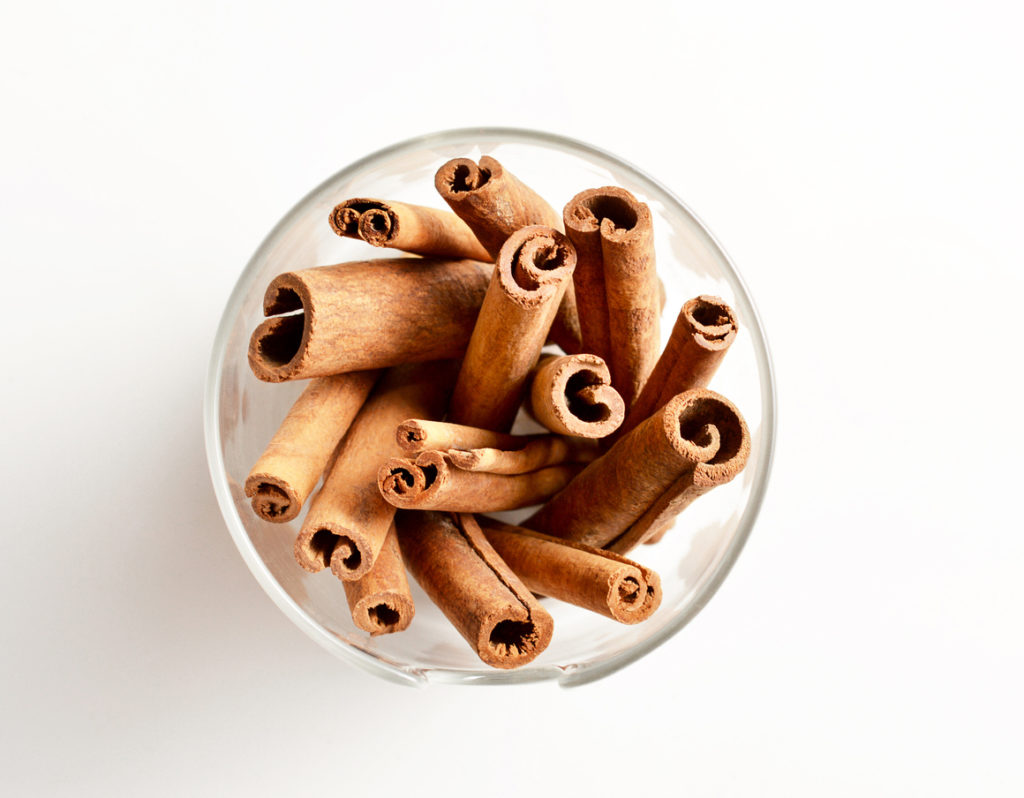
The good news is that it only takes a few small changes to improve your diet and increase your energy. Firstly, eating a range of unprocessed wholefoods (i.e. foods that are closest to their natural form, such as vegetables, legumes, nuts, seeds, eggs and grains) can help maintain steady blood glucose levels. Rather than spiking your blood glucose quickly, these foods allow glucose to be steadily absorbed into the bloodstream over a few hours, due to their protein and fibre content, helping slow down the absorption of glucose. This reduces the risk of your body’s cells becoming saturated with glucose, lowering the risk of your body becoming insulin resistant. In addition, herbal medicines such as cinnamon and raw cocoa can also help to maintain steady blood glucose levels and reduce insulin resistance, allowing you to tap into energy and power through.

What Causes the Mid Afternoon Slump, and how to deal with it Metagenics Australia and New Zealand Blog

Beat the slump and get back on top

More often than not, finding solutions for the mid-afternoon slump starts with taking stock of personal health factors and habits that may contribute to your drop in energy. This includes reviewing the quality of your diet, sleep, levels of stress and other factors that can prevent your body from being able to maintain steady energy levels. Often, these factors can be numerous and complex, which is where a qualified natural healthcare Practitioner can help you identify the areas that need support, and tailor solutions that meet your body’s particular needs – making the mid-afternoon slump all but a memory in a refreshed and re-energised mind.

Filed Under: Uncategorized

February 25, 2020 by Luke Leave a Comment

Could chocolate be good for your gut?

Many of us enjoy a piece of chocolate (or 10) as a sweet treat after dinner or throughout the day. Of course, too much of anything is not a good thing, but could some chocolate be good for your gut?

Balanced diet
I’m not suggesting that you go out and eat nothing but chocolate, but there is a healthy way to enjoy chocolate which will help to fuel the beneficial bacteria in your gut. Stay with me, this isn’t a trick and is all about better choices when you crave a sweet treat!

Learning how to take care of your ‘gut bugs’ is an important part of taking care of your health. Our gut bugs play several important roles in our body and are essential for optimal health and wellbeing, so it is essential that they are fueled correctly.

Plant foods contain beneficial compounds called ‘polyphenols’ which are linked to many health benefits, including supporting heart health and preventing cancer and diabetes. In fact, more than 8,000 polyphenols have been found in everyday foods such as berries, vegetables, whole grains, cereal, legumes, tea, coffee and wine. Perhaps the most interesting thing to know about polyphenols is that they are found in cocoa – the main ingredient found in dark chocolate!

There have been several research studies looking at how cocoa may influence gut bacteria showing links between cocoa consumption and an increase in helpful bacteria and a decrease of potentially harmful bacteria in the gut. Other great things about cocoa-based foods is that they can assist in reducing blood pressure and have a positive impact on your blood sugar levels.

The right chocolate
Not all chocolate is created equal with natural cocoa containing the highest levels of polyphenols and antioxidant activities followed by dark chocolates and finally, milk chocolate. White chocolate was found to have no antioxidant activity. Manufacturing processes can destroy considerable amounts of polyphenols making it important to look for higher quality minimally processed cocoa-based products. For example, many recipes call for Dutch-processed cocoa when in fact this processing significantly reduces the polyphenols compared to natural cocoa powders.

Of note, Interestingly, it appears adding milk fat to cocoa can also reduce your body’s ability to use these beneficial polyphenols. So, move over milk chocolate, it’s time for good quality dark chocolate to feature! Here are some of the best ways to enjoy your chocolate and keep those gut bugs nice and happy:

• Choose 80 per cent cocoa chocolate. As a basic rule of thumb, the more cocoa solids a chocolate contains the more beneficial polyphenols and less added extras it contains.

• Avoid added ‘extra’ ingredients. Chocolate can be high in refined sugar and saturated fat content derived from the cocoa bean itself but try to choose lower fat and sugar options with minimally added milk fats, vegetables oils or sugars. This way, you can still enjoy chocolate (moderately) without worrying about your health or waistline!

• Get your cocoa from the health food section, not the baking aisle. When baking cakes and biscuits try replacing dutch-processed cocoa with natural cocoa powder.

• Dark chocolate covered nuts such as pecans, hazelnuts and peanuts could boost the benefits. These nuts contain the same polyphenols as cocoa, so may help to boost the intake of these health-promoting compounds. This also gives your chocolate the extra kick of flavour by adding your favourite nut variety!

• Another idea is to add cocoa powder to a wholesome smoothie packed with healthy ingredients such as rolled oats, banana, peanut butter and your preferred non-dairy milk. You’ll get a healthy dose of fibre, wholegrains, healthy fats and protein plus a nice chocolatey hit – perfect for that 3pm lull!

While some chocolate can be beneficial for health, consuming cocoa-based products still adds calories into your diet. The key with these swaps is to enjoy in moderation as part of a healthy balanced diet

Filed Under: Uncategorized

January 20, 2020 by Luke Leave a Comment

Gut-solutions for a healthier you.. Setting new habits

What new year’s resolutions could you make on behalf of your gut microbiome?

So, you enjoyed a few celebratory drinks, dove head-first into the Christmas trifle, and had an extra helping (or six) of assorted cheeses and chutneys from various party platters – you enjoyed your holidays and that’s OK. But let’s be real, your gut health is suffering and now you’re thinking it’s high time to press reset. You may be wondering, what’s the best way to get my health in check?

Forming new habits can be challenging. In fact, it can take between 18 to 254 days to change a habit! This explains why many of us are great at making new years resolutions, but have a hard time sticking to them. The fact of the matter is, the benefits far out way the challenges – and that’s where we need to focus. So here’s a few new habit-making tips that your gut bugs will love.

gut microbiome test

Try new plant foods

As creatures of habit it is really easy for us to gravitate to the same sorts of foods. This is because they are familiar, we know what they taste like, we know how to cook and prepare them or even that the family will eat them.


Research shows that the more diverse our diet in plant-based foods, the more diverse our gut microbiome is, making it more resilient to disruptions.

This makes sense, because if we eat the same sorts of foods, we nourish the same sorts of microbes. So, why not try something new that you would usually cruise past in the supermarket? Some gut-friendly foods you may not commonly consume are millet (grain), fennel (vegetable), white beans (legume), carombola or star fruit (fruit), linseeds and brazil nuts.

New habit tip: Park your trolley or stand in a section of the supermarket, green grocer or farmers market that you wouldn’t usually frequent. Take a look around, learn what foods are there and make a deal with yourself to give something new a go.

Move your body

Movement is good for us in so many ways. Not only does it help to improve our mood and keep us physically strong, but it also helps our gut health by increasing the diversity in our gut microbiome.

The Australian physical activity guidelines suggest any activity is better than none, but aiming to be active on most, if not all days of the week is preferable, with 150 – 300 minutes of moderate intensity activity, 75 – 150 minutes of vigorous intensity activity or a combination of both.

New habit tip: Arrange to meet a friend or two to go for a walk and make this a regular gig. For many of us, meeting people is a great motivation to get us out and about and moving our bodies.

Plan your meals

Meal planning is a task that most of us would like to do but somehow find ways not to.

Research shows that planning meals in advance is linked with higher intake of fruit and vegetables. As many fruit and vegetables contain nourishing prebiotics this is great news for your gut microbiome.

Another benefit of planning your meals is that you can structure the week ahead to reflect your eating style. If you’re looking for more ways to incorporate plants in your diet throughout the week, you could plan some meat-free meals or space out which meals include red meat, poultry or fish – making sure the majority of these are full of plants. This ensures that your gut is receiving the nourishment it needs all week long.

New habit tip: Before you decide that this is too hard or drive yourself crazy trying to plan every meal, start small. Plan one to two meals a week and build on this down the track. You’ll be surprised at how much a couple of planned meals can make a difference. Plus, not only will your gut bugs thank you, but you will save money by reducing your food wastage and ordering less take-out.

Summary

Don’t feel bad about indulging in the celebrations. Be patient and kind to yourself, because this is a lifestyle, not a quick fix. You have to remember that creating new and healthier habits can take some time to form.

If you’d love to learn more about what your gut is doing and how it can influence your health, I use a lab called Microba who can comprehensively assess every bacteria residing in your gut.

Filed Under: Uncategorized

January 20, 2020 by Luke Leave a Comment

9 Anti-Inflammatory Spices and Herbs

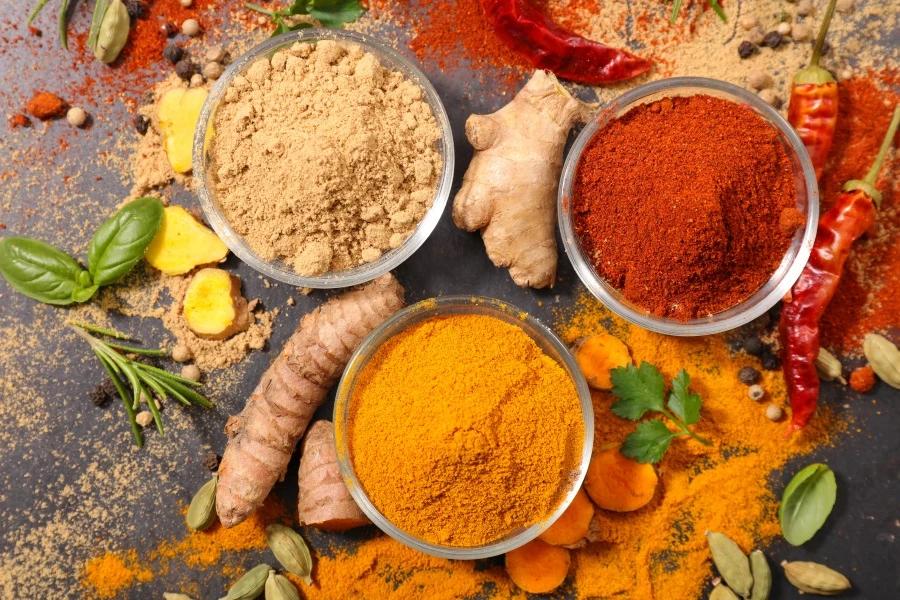
Like fruits and vegetables, many spices and herbs have been shown to have biologically active compounds that benefit human health. One major benefit is attributed to their ability to reduce inflammation. The inflammatory process is complex, but many health experts agree that chronic inflammation is a common denominator among many chronic diseases.


Cooking with Anti-Inflammatory Spices and Herbs

Since many spices and herbs have anti-inflammatory properties, the bioactive compounds found in plants are often included in dietary supplements and standardized to ensure an amount that has been researched to show benefit. Cooking with these same spices and herbs that are used as supplements, tinctures, teas, and oils can contribute to your overall intake of these healthful plants. There are probably some of these anti-inflammatory seasonings in your spice cabinet right now, but before you get cooking, we have outlined some information on this topic to help you learn more:

What are Spices?

A spice is a plant substance used for flavoring, coloring or preserving food. Turmeric is a spice that is commonly used in the condiment mustard and can play all of the roles just mentioned. Parts of the plant that are used as spices:

  • Seed
  • Fruit
  • Root
  • Bark

What is a Herb Versus a Spice?

Herbs are also plants, and like spices, they are also used for flavoring or as a garnish. Certain herbs such as rosemary are also used for preserving food because of their antioxidant properties. The terms ‘spices’ and ‘herbs’ are sometimes used interchangeably but are distinct botanically and in culinary use. Parts of the plant that are used as herbs:

  • Leaves
  • Flowers
  • Stem

What are Anti-Inflammatory Spices?

Anti-inflammatory spices contain active compounds that have been shown to reduce one or more markers of inflammation. Some markers and mediators of inflammation used in research and diagnosis include:

  • Tumor necrosis factor-alpha (TNF-α)
  • Nuclear factor kappa-B (NF-κB)
  • Interleukins
  • Eicosanoids
  • Cyclooxygenases (COX) and Lipoxygenases (LOX)
  • High-sensitivity C-reactive protein (CRP)

TNF-α, NF-κB and interleukins are cytokines (signaling proteins involved in triggering the inflammatory response). For example: fat tissue, especially the type of abdominal visceral fat seen in obesity, can secrete pro-inflammatory cytokines leading to systemic inflammation in people with obesity.

9 Spices with Anti-Inflammatory Properties:

  1. Sesame has been shown to have anti-inflammatory properties in preclinical and clinical studies.
  2. Turmeric (and its main bioactive constituent, curcumin) is a very popular anti-inflammatory spice with many studies demonstrating efficacy. Clinical and preclinical studies indicate that turmeric and curcuminoids like curcumin may help manage atherosclerosis, cardiovascular disease, hypertension, and more.
  3. Ginger was shown to reduce CRP and inflammatory cytokines in participants with diabetes and osteoarthritis.
  4. Saffron has demonstrated anti-inflammatory effects in preclinical studies. In participants with allergic asthma, saffron reduced CRP levels.
  5. Garlic has anti-inflammatory activity in preclinical and clinical studies. In a study of overweight and obese women with osteoarthritis, garlic improved pain and reduced the pro-inflammatory adipocytokine (a cytokine produced by fat cells) called resistin.
  6. Caraway has some data that it may be beneficial in inflammatory bowel conditions like colitis.
  7. Cardamom has several clinical and preclinical studies demonstrating anti-inflammatory effects. In obese participants with fatty liver disease, cardamom reduced levels of CRP and inflammatory cytokines. In overweight and obese pre-diabetic women, cardamom reduced CRP. Cardamom may exert its anti-inflammatory effects through inhibiting the NF-κB pathway.
  8. Nutmeg has some preclinical data indicating it may have potential as a pain reliever due to its inhibition of COX enzymes, a mechanism similar to some non-steroidal anti-inflammatory drugs.
  9. Paprika prevented an inflammatory response from UV damage to skin in people. Paprika also suppressed TNF-α and resistin in adipocytes (fat cells).

Cooking with spices and herbs is a great way to add flavor to your food and expand your palate beyond table salt. Different cultures often have a set of spices associated with the particular cuisine. In addition to isolated spices, you can find spice blends designed for seasoning specific types of cuisine or proteins in your grocery store, at your local farmers market, or even at dedicated spice stores.

Filed Under: Uncategorized

  • « Previous Page
  • 1
  • …
  • 11
  • 12
  • 13
  • 14
  • 15
  • …
  • 65
  • Next Page »

Contact Us

Luke Clarke

Phone: (03) 8820 0010

Clinic Address:
1 Ward Street
Ashburton VIC 3147, Australia
(Parking out the back – use laneway on left)

Menu

  • Home
  • About Me
  • What I Do
    • Functional Medicine
    • IBS (Irritable bowel syndrome) Treatment
    • Fibromyalgia Treatment
    • Gut Microbiome Testing
    • FODMAP
    • Adrenal Fatigue Treatment
    • Women’s Health
    • Men’s Health
  • Children’s Health
  • Blog
  • Contact

Sitemap

Sitemap
Copyright © 2025 · Luke Clarke