Luke Clarke

Functional Medicine Practitioner and Naturopath in Melbourne

Call US: 03 8820 0010
  • Home
  • About Me
  • What I Do
    • Functional Medicine
    • IBS (Irritable bowel syndrome) Treatment
    • Fibromyalgia Treatment
    • Gut Microbiome Testing
    • FODMAP
    • Adrenal Fatigue Treatment
    • Women’s Health
    • Men’s Health
    • Cleanse and Detox
    • Children’s Health
  • Blog
  • Women’s Health
  • Men’s Health
  • Children’s Health
  • Gut Health
    • How Do I Know if I Have Adrenal Fatigue?
    • What Are Functional Foods Examples?
    • What Are the Top Five Functional Foods?
    • What Foods Fight Inflammation?
    • The Health Benefits Of An Anti-Inflammatory Diet
    • What Is an Anti-Inflammatory Diet?
  • Contact

June 3, 2019 by Luke Leave a Comment

When small changes have big impacts

Let’s face it—change is hard.Image result for change is hard

If it wasn’t, the chronic disease epidemic wouldn’t exist.

But the good news is that we can use smart strategies based on recent discoveries about how the brain works to make change easier.

One of these strategies, is “shrinking the change.”

This means breaking a big change—like starting an exercise program—into smaller, more doable chunks.

Shrinking the change increases our chances of success for several reasons:

  • It reduces our resistance to getting started
  • It gives us a series of small wins, which increases confidence
  • It builds momentum

And sometimes, even the small changes themselves can have a surprisingly big impact.

For example, consider a 2017 study which showed that replacing just 30 minutes of sedentary time with light physical activity reduced the risk of death from all causes by 11 percent and death from cardiovascular disease by 24 percent!

The researchers also found that replacing just 10 minutes a day of sedentary time with moderate-to-vigorous physical activity resulted in a whopping 38 percent reduction in deaths from cardiovascular disease.

Wow!

That’s pretty impressive.

If you’re completely sedentary and you start off with a goal of exercising four times a week in the gym for 45 minutes, you might find that goal difficult to stick with.

But if you start by replacing just 30 minutes a day of sitting time with light physical activities like walking, gardening, or gentle yoga, that’s much more doable.

You’ll feel better and you’ll see results right away, which will give you the confidence and motivation to move on to the next step.

Properly trained health coaches know how to support people in making smart changes like this. But you can also use these concepts yourself to make your own change efforts more effective.

Give it a shot and let me know how it goes!

Filed Under: Uncategorized

June 3, 2019 by Luke 2 Comments

The Remarkable Properties of Collagen

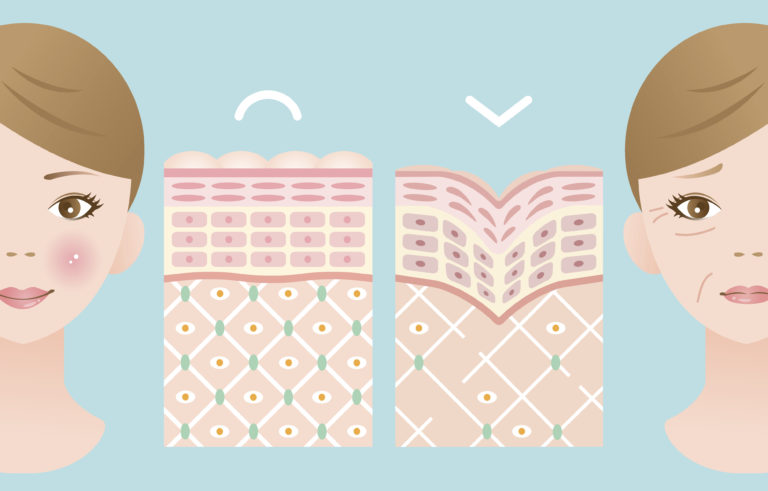
Taking collagen for its health and healing properties has become a popular trend in recent years. Naturally found in the connective tissue of animals, it is the main protein responsible for keeping the tissue that connects, supports, binds, or separates other tissues or organs firm and flexible. Making up 30% of our physical architecture, your body needs plenty of collagen to help it heal and regenerate. As such, supplementing collagen can help to support and enhance the repair of your body. Read on to learn how collagen can help you from the inside out!

Culinary Collagen

Because collagen is found within connective tissue rather than muscle meat, the benefits of dietary collagen are often absent from modern diets. That said, the recent rise of dietary philosophies such as ‘nose to tail’ have re-popularised collagen-rich recipes such as bone broths, helping more individuals gain its nourishing benefits.

That said, the recent rise of dietary philosophies such as ‘nose to tail’ have re-popularised collagen-rich recipes such as bone broths, helping more individuals gain its nourishing benefits.

Beyond this food as medicine approach, collagen can also be used as a protein supplement, ideal for those wanting to ensure adequate protein intake.


The Many Types of Collagen

Over 26 types of collagen have been identified, with the three most abundant forms being types I, II, and III collagen. Whilst all types work to surround tissue fibres and reinforce their strength and flexibility, supplementing with these different types will lead to different benefits. For example, type I and III are found in and are hence best for, your hair, skin and nails. Alternately, type II is found in cartilage sources, making it better for supporting joint health. A deficiency in collagen reduces the body’s ability to manufacture strong connective tissue, resulting in aging skin, brittle hair and nails, osteoarthritis, recurrent joint problems, and a reduced capacity to heal injuries.

Demonstrating this, research shows that adding collagen into your diet can reduce joint pain and enhance mobility. Participants in one study found that after 6 months of adding 10 grams of collagen into their daily routine, they were more able-bodied when it came to carrying and lifting objects and felt less physical discomfort than before taking collagen.


The Elixir of Youth

Research also confirms collagens capacity to reverse the signs of ageing by reinforcing skin tissue integrity. One way it does this is through the regeneration of the deep layers of the skin, improving its ability to retain moisture and reduce sun damage. Individuals taking only 1 gram of collagen per day found that in less than 12 weeks their skin was noticeably more hydrated with a reduction in visible wrinkling. Collagen has also been shown to promote hair growth, increase nail growth and improve brittle nails, showing its capacity to support a healthy glow from top to toe.

Go From Strength to Strength

So why should you take collagen? For all the reasons mentioned above! As it reinforces every cell within your anatomy; from the deepest layers of skin to the stretchy connective encasing every joint in your body, collagen helps you stay strong, youthful and flexible.

As it reinforces every cell within your anatomy; from the deepest layers of skin to the stretchy connective encasing every joint in your body, collagen helps you stay strong, youthful and flexible.

Finding a high-quality collagen product is as easy as finding a Practitioner, as they’ll do all the hard work in sourcing the right type and dose of collagen for your presentation. Helping you both look and feel your best, collagen can help you stay active longer and increase the vitality of your appearance – try it today and you won’t look back!


Filed Under: Uncategorized

April 22, 2019 by Luke Leave a Comment

5 Natural Medicines to Calm Your Anxiety

If you’ve ever experienced anxiety, you are likely to be a little more than familiar with the words above. However, if you’re one of the lucky ones who hasn’t experience anxiety, then chances are you live, work and/or socialise with someone who has.

Being the most common mental health condition in this country, 1 in 4 Australians (more than 6 million people) will experience anxiety at some point in their lifetime.

The Aetiology of Anxiety

Whilst 6 million people make up a large part of the population, anxiety is experienced at different time points for different people, and can be a perfectly normal response to a one-off stressful period or worrying event.

However, for some, anxiety can persist and become a chronic mental health condition. In this instance, the triggers for chronic anxiety are multi-factorial, encompassing genetic predisposition, work stressors, traumatic life events, family or relationship issues, abuse, and physical disease. Personality traits of low self-esteem and/or perfectionism can also predispose individuals to experience anxiety.

Therefore, the key to reducing or eliminating anxiety lay in addressing these underlying causes. However, making big life changes or processing large emotions can often take time, and aren’t always possible to rectify right away.

So what can you do each day to reduce your symptoms and boost your ability to cope in the moment? In these instances, it can be really important to amass some tools that will help to manage and reduce your symptoms.


The Calming Force of Nature

In addition to the plethora of dietary and lifestyle interventions available, several nutrients and herbs are also available that work to calm the nervous system and nourish a stressed body and mind. Five of my favourites include:

    • When anxious, your body actively eliminates magnesium, which is a catch 22, as a magnesium deficiency actually leads to releasing more stress hormones.Magnesium:
    • Ensuring healthy levels of magnesium inhibits the stress response and increases the activity of your calming neurotransmitter gamma aminobutyric acid (GABA),working brilliantly to reduce anxiety.
  1. Glycine:
    • Promoting an inhibitory effect on the nervous system, this amino acid has shown particular benefit in improving sleep quality. As anxiety often disrupts sleep, and poor sleep is a primary trigger for anxiety, ensuring a good night’s sleep goes a long way in helping to reduce anxiety levels.
  2. B vitamins
    • The neurotransmitter adrenaline, and the adrenal hormone cortisol, are the primary drivers of stress in the body. B vitamins are required to synthesise both of these, with anxiety therefore increasing the body’s demands for these vitamins.
    • B vitamins are also needed for your brain to produce several key anxiolytic neurotransmitters, such as dopamine, serotonin and GABA.
    • By taking a B complex, you can support your body during times of increased stress, while ensuring the production of calming brain chemicals.
  3. Passionflower
    • This herb works fantastically to increase the activity of your master anxiolytic neurotransmitter GABA, and does so without causing drowsiness (unlike benzodiazepines).
  4. Zizyphus
    • Holding a long history of use for states of nervous tension, this herb inhibits excess stimulation within the brain that occurs during stress; calming anxiety, frustration and irritability, and promoting sleep.

Note: always check with a natural healthcare Practitioner to ensure any natural medicines are safe to take alongside pharmaceutical medications.


Creating Head Space

As a Naturopath, I have seen firsthand just how well natural medicines work to combat anxiety, both acutely and in the regulation of anxiety long term. This longer term modulation of the stress response is particularly useful, as it’s hard for your brain to construct solution-focused and proactive thoughts when it’s constantly in ‘fight or flight’ survival mode. This is important, as it’s having control over your thought patterns that allows you to create strategies and routines that’ll address the triggers of your anxiety in the first place.

This where I see the real strength of the ingredients such as those listed above – whilst they can’t undo a traumatic life event or cause a transfer out of an anxiety-inducing job, they calm your mind, support your body, and give you some breathing space to address the cause head on.


Filed Under: Uncategorized

April 22, 2019 by Luke Leave a Comment

Leg Cramps: Why They Happen & How to Defeat Them

Have you ever experienced the sudden, painful seizing of a leg cramp? Ranging anywhere from a few seconds to a few minutes, the onset is typically rapid, and can occur during exercise, sleep or at rest. Whilst a cramp can come and go, they are normally pointing to a larger imbalance occurring within your body. Let’s have a look at three reasons you may be getting leg cramps, and what you can do to avoid them.

1. Magnesium deficiency

The first, and perhaps biggest reason cramps can occur is due to a magnesium deficiency. Within muscle cells, calcium works to contract muscle fibres, and magnesium triggers them to relax. If your body does not have enough magnesium, your muscles are able to contract but struggle after this to relax. This prolonged contraction then manifests as the stabbing and intense experience known as a muscle cramp.

The primary reason this deficiency arises is dietary intake. Incredibly, up to 30% of Australians aren’t consuming enough magnesium on a daily basis.

This is due to the average Australian diet being low in magnesium rich foods wholefoods, as it is often high in refined and processed foods. Instead, magnesium is best sourced from green leafy vegetables, legumes, nuts, seeds, and whole grains. Magnesium supplementation is also recommended as it has been shown to improve muscle relaxation.


2. Exercise

Whilst there are countless benefits to regular exercise, muscle cramps are one of the most common side effects experienced from being active. This is primarily due to the sweating that occurs, which not only depletes water levels within the body, but levels of electrolytes too.

Electrolytes are a collection of minerals made up of sodium, potassium, chloride, calcium, phosphate, and magnesium. These minerals dissolve into the water in your body, where they ensure your nerves, heart and muscles work properly, and oversee the passage of fluids in out of your cells. As they’re found within water in the body, profuse sweating not only leads to water loss, but electrolyte loss too.

This means, beyond the need to re-hydrate, a big workout can deplete you of the minerals, such as magnesium and sodium, which your nerves and muscles need to contract and relax properly.

This means, beyond the need to re-hydrate, a big workout can deplete you of the minerals, such as magnesium and sodium, which your nerves and muscles need to contract and relax properly

Consuming a quality electrolyte formula when you exercise, especially one that contains magnesium, may then diminish your chance of experiencing cramping.

Overtraining can also cause leg cramps. When your muscles are contracted vigorously and repetitively (such as during a spin cycle class), this doesn’t allow for adequate recovery, and cramps may result. To reduce cramping from overexertion, stretch frequently, modify the intensity of your exercise regimen, and schedule in rest days to allow your muscles to recuperate.

3. Prolonged sitting or standing

Your body is designed to move, rest and recover, then move again. When you spend all day seated at a desk or standing for hours on end, leg cramps can occur due to lack of movement. To prevent this, simply stretch your muscles regularly, go for a walk, or break out some star jumps – do whatever you feel like, just get those legs moving!

Don’t let cramps cramp your style!

You can reduce your chances of experiencing leg cramps by consuming magnesium-rich foods, replenishing your electrolytes after exercise, and ensuring frequent and varied movement throughout your exercise and daily routine. A magnesium supplement can also be a great way to quickly replenish your levels of this nutrient if deficient.

Filed Under: Uncategorized

February 27, 2019 by Luke Leave a Comment

Did you know the battle to retain private health insurance rebates for Natural Medicine is not over yet? email me if you would like a copy of the letter to send to the Minister for Health

Did you know the battle to retain private health insurance rebates for Natural Medicine is not over yet?Image result for private health insurance rebate

Your Health Your Choice, Australia’s largest consumer campaign to protect people’s choice in complementary healthcare, has written a formal request to Australia’s Health Minister, Greg Hunt, to exercise his power to amend the Private Health Insurance (Health Insurance Business) Rules 2018, to allow private health insurers to offer rebates for Natural Therapies.

The letter warns against the drastic cuts and proposed changes, outlining the risks involved in moving forward with the new private health insurance rules, which would restrict healthcare choices by making them less affordable, making it difficult to conduct research into Natural Therapies and impacting the viability of multiple Australian small businesses.

If you would like a copy of this letter to send to the Minister for Health, please email me directly on info@lukeclarke.com.au  Since the Your Health Your Choice campaign put out the call mid-last week, well over 6,000 people have responded with individualised emails, and this is growing daily.

Help protect the credibility of our profession – make the choice to take action with one last effort to get the message out there.

Filed Under: Uncategorized

  • « Previous Page
  • 1
  • …
  • 15
  • 16
  • 17
  • 18
  • 19
  • …
  • 65
  • Next Page »

Contact Us

Luke Clarke

Phone: (03) 8820 0010

Clinic Address:
1 Ward Street
Ashburton VIC 3147, Australia
(Parking out the back – use laneway on left)

Menu

  • Home
  • About Me
  • What I Do
    • Functional Medicine
    • IBS (Irritable bowel syndrome) Treatment
    • Fibromyalgia Treatment
    • Gut Microbiome Testing
    • FODMAP
    • Adrenal Fatigue Treatment
    • Women’s Health
    • Men’s Health
  • Children’s Health
  • Blog
  • Contact

Sitemap

Sitemap
Copyright © 2025 · Luke Clarke