Luke Clarke

Functional Medicine Practitioner and Naturopath in Melbourne

Call US: 03 8820 0010
  • Home
  • About Me
  • What I Do
    • Functional Medicine
    • IBS (Irritable bowel syndrome) Treatment
    • Fibromyalgia Treatment
    • Gut Microbiome Testing
    • FODMAP
    • Adrenal Fatigue Treatment
    • Women’s Health
    • Men’s Health
    • Cleanse and Detox
    • Children’s Health
  • Blog
  • Women’s Health
  • Men’s Health
  • Children’s Health
  • Gut Health
    • How Do I Know if I Have Adrenal Fatigue?
    • What Are Functional Foods Examples?
    • What Are the Top Five Functional Foods?
    • What Foods Fight Inflammation?
    • The Health Benefits Of An Anti-Inflammatory Diet
    • What Is an Anti-Inflammatory Diet?
  • Contact

January 20, 2020 by Luke Leave a Comment

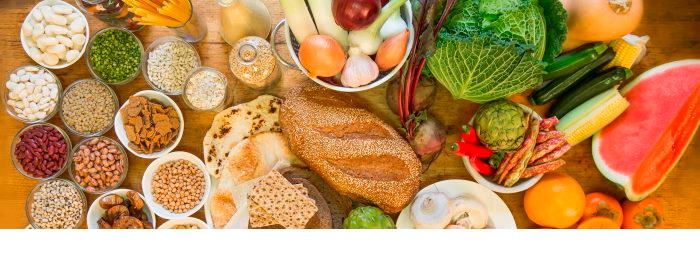
Did great grandma’s toxin exposure shape your immune system?

 Maternal toxin exposure harms the immune system of her children and those of future generations as well, a new study suggests.

The new paper, published in iScience, shows how a common and ubiquitous form of industrial pollution can weaken the body’s defenses against infections such as the influenza virus.

“The old adage ‘you are what you eat’ is a touchstone for many aspects of human health,” says Paige Lawrence, from the environmental medicine department at the University of Rochester Medical Center. “But in terms of the body’s ability to fight off infections, this study suggests that, to a certain extent, you may also be what your great-grandmother ate.”

While other studies have shown that environmental exposure to pollutants can have effects on the reproductive, respiratory, and nervous system function across multiple generations, the new research shows for the first time that exposure affects the immune system as well.

This multigenerational weakening of the immune system could help explain variations observed during seasonal and pandemic flu episodes, researchers say. Annual flu vaccines provide some people more protection than others, and during pandemic flu outbreaks some people get severely ill, while others are able to fight off the infection.

While age, virus mutations, and other factors can explain some of this variation, they don’t fully account for the diversity of responses to flu infection found in the general population.

“When you are infected or receive a flu vaccine, the immune system ramps up production of specific kinds of white blood cells in response,” Lawrence says.

“The larger the response, the larger the army of white blood cells, enhancing the ability of the body to successfully fight off an infection. Having a smaller size army—which we see across multiple generations of mice in this study—means that you’re at risk for not fighting the infection as effectively.”

In the study, researchers exposed pregnant mice to environmentally relevant levels of a chemical called dioxin, which, like polychlorinated biphenyls (PCBs), is a common by-product of industrial production and waste incineration, and is also found in some consumer products.

These chemicals find their way into the food system where they are eventually consumed by humans. Dioxins and PCBs bio-accumulate as they move up the food chain and are found in greater concentrations in animal-based food products.

The scientists observed the production and function of cytotoxic T cells—white blood cells that defend the body against foreign pathogens, such as viruses and bacteria, and seek out and destroy cells with mutations that could lead to cancer—was impaired when the mice were infected with influenza A virus.

They observed this weakened immune response not only in the offspring of the mice whose mothers where exposed to dioxin, but in the subsequent generations, including as far out as the rodent equivalent of great-grandchildren. The effect was more pronounced in female mice.

Filed Under: Uncategorized

December 16, 2019 by Luke Leave a Comment

Clinic Holidays 2019/2020

The Well-Being Institute will be closed from Monday the 24th  of December 2019 and re-open on Monday the 6th of January 2020.

For product orders and to schedule an appointment please:

  • Ring the clinic on 98857766
  • Email an order to luke@liveto100.com.au
  • Simply pop in to the Well-Being Institute at 1 Ward Street Ashburton before we close.

I can also be contacted via email during the holidays.

Wishing you all a wonderful and a safe holiday season.

Warm regards

Luke

Filed Under: Uncategorized

December 2, 2019 by Luke Leave a Comment

The Power of Protein

Have you ever hear the adage “you are what you eat”?

This saying certainly holds some truth, with everything you eat being broken down by your body to be used to build or repair the trillions of cells that make you, you.

Trillions of hungry cells?  You can be sure these processes require a decent amount of fuel to do their work!

However, different cells and body systems require different types of fuel to complete these tasks, which ideally work to keep you thriving and well. Therefore, it’s important that you’re consuming the right combination of nutrients within your meals to ensure your body can feel optimally vital and healthy.

The Right Combination

Beyond the micronutrients (such as zinc, magnesium or B vitamins) that we consume in healthy foods, our food is primarily comprised of 4 large nutrients, known as macronutrients:

  1. Fibre – rich in foods such as fruits, vegetables and wholegrains.
  2. Carbohydrates – rich in foods such as rice, flour, potato and grains.
  3. Fats – rich in foods such as avocado, coconut, eggs and nuts.
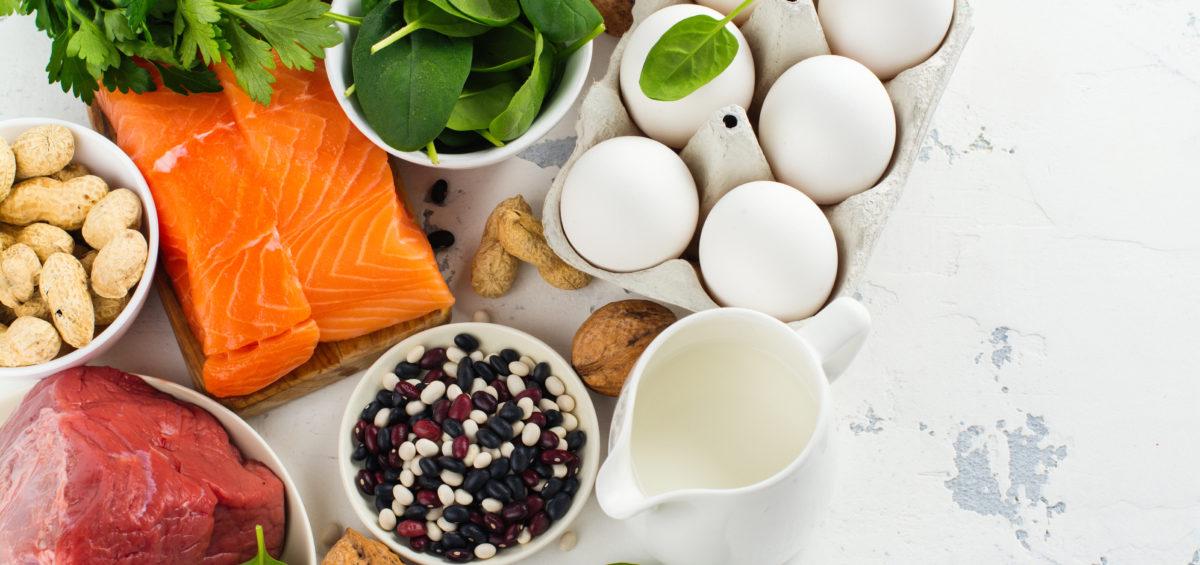
  4. Protein – rich in foods such as meats, seafood, legumes and dairy.

While fibre’s importance for digestive health is well known, and carbohydrates and fats can garner a lot of attention in the dieting world, it is humble protein that often misses out on some of the limelight in terms of the health benefits it offers.

In getting to know protein a little better, it’s important to know that proteins are actually comprised of smaller molecules, called amino acids, that all connect together to make a larger protein structure.  There are 20 amino acids in total, 9 of which are known as essential amino acids, as the body cannot synthesise them, so they must be consumed in the diet.

Within your body, protein carries many powerful jobs, such as:

  • Building or repairing your bone or muscles, allowing you to move with strength and ease, and reducing your chance of bone breaks or muscle injury.
  • Keeping you feeling full and your blood sugar balanced, therefore helping to prevent sugar cravings and overeating.
  • Maintaining and improving body composition, helping keep you at a healthy weight and preventing weight gain.
  • Creating immune cells, to keep your immune system strong and ready to combat infection.

The Perfect Protein Portion

So how much protein does your body require to stay healthy?

A good rule of thumb is to consume 1 gram of protein for every kilo of body weight (e.g. a 70kg person would require 70 grams per day), however this requirement may further increase if you’re over the age of 70, are pregnant or breastfeeding, or undertake a high level of physical activity (e.g. an occupation requiring physical work or regular high intensity or endurance exercise).

Based on the calculation above, how much protein does your body require per day?

Once you’ve established this, the next step is to discover how much protein you’re actually consuming within your current diet.

Use the table below to do an estimation of an average day’s intake:

Food Protein Content (on average)
Cheddar cheese 25 grams per 100 grams
Nuts 23 grams per 100 grams
Chicken 22 grams per 100 grams
Beef 22 grams per 100 grams
Fish 20 grams per 100 grams
Pork 20 grams per 100 grams
Tofu 12 grams per 100 grams
Lentils and beans 7 grams per 100 grams
Eggs 6 grams per large egg
Quinoa 4 grams per 100 grams
Cow’s milk 4 grams per 100mL

(Note: if a food is not on the list, it does not contain a significant amount of protein per serve)

How did your calculations go?

After calculating how much protein your body needs per day, plus how much you actually consume, it can be common to discover you aren’t consuming enough for your body’s needs.

A lack of dietary protein could then contribute to weaker bones, reduced muscle mass or wasting, fatigue and energy slumps, sugar cravings, weight gain, and frequent or longer infections.

Although your protein consumption might need a boost, this doesn’t mean having to eat excessive amounts of red meat or endless cups of lentils! Instead, supplementing your diet with a protein powder can be a quick, easy and tailored way to increase your protein intake.

That said, not all protein supplements are created equal, so when deciding what protein supplement to use, ensure you consider the following:

  • Does the product contain a multitude of excipients that would affect the purity of the product?
  • Does the product contain sweeteners which may increase your sugar intake or imbalance your blood glucose levels?
  • Does each serve contain enough protein for my needs?
  • Will your digestive system tolerate the protein supplement (e.g. does it contains fibres which may exacerbate any symptoms of irritable bowel syndrome)?
  • Have you eliminated certain foods from your diet, adhere to a certain diet, or have an allergy or intolerance that excludes different types of proteins (e.g. a dairy free, grain free, vegetarian or vegan lifestyle)?

Depending on your need and requirements, three nourishing protein options include:

  1. Whey: look for a highly bioavailable protein sourced from grass-fed cows. Whey contains all 9 essential amino acids, and contains naturally occurring immune factors shown to boost digestive health and immunity.
  2. Collagen: for example, sourced from beef. Collagen protein is ideal for those on grain free, dairy free or Paleo diets, contains 8 of the 9 essential amino acids, and provides a high-quality protein that also supports healthy skin, hair, nails and joints.
  3. Pea: a well-tolerated and easily digested vegetarian and vegan-friendly It contains all 9 of the essential amino acids and is suitable for people following a low FODMAP diet.

Remember, a large part of feeling healthy and well stems from consuming the ideal combination of macronutrients for your unique body and its needs. While this looks different for all of us, the importance of consuming enough protein is undeniable when it comes to feeling optimally well.

To find out what macronutrient combination is ideal for your body, and to support your diet with these nourishing, therapeutic proteins, contact your closest Natural Healthcare Practitioner.

Filed Under: Uncategorized

December 2, 2019 by Luke Leave a Comment

Rethinking Drinking: Know the Harmful Effects of Alcohol

Many people associate having a drink with a feeling of relaxation or a warm ‘buzz’, essentially using alcohol as a means of harmless fun. Whilst one or two glasses of wine, or a few beers, can be a nice way of unwinding, excessive consumption can have a significant impact on your health. So how does alcohol affect your body? Slurred speech, poor coordination, nausea, vomiting, lack of judgment, volatile emotions, and blackouts can all follow excessive alcohol consumption. Most people will have experienced one or more of these effects at some point, crossing the line from a moderate intake to an unhealthy consumption.

Toeing the line between casual drinks and a boozy binge

For most people, it’s perfectly okay to enjoy a drink every now and then, but it’s important to be mindful of how much you consume. Drinking more than two standard drinks per day is associated with an increased risk of alcohol-related disease or injury while drinking more than four standard drinks at any given time is classified as binge-drinking, which can have damaging effects on your physical, mental and social health.

Drinking more than two standard drinks per day is associated with an increased risk of alcohol-related disease or injury while drinking more than four standard drinks at any given time is classified as binge-drinking, which can have damaging effects on your physical, mental and social health

Although excessive consumption is harmful to everyone, long-term alcohol misuse affects each person differently and can impact the following:

  • Brain: Alcohol negatively affects the way the brain, central nervous system, and body communicate with each other, leading to symptoms of impaired cognitive function, such as slurred speech and poor coordination. If alcohol is misused over a number of years, it can even lead to brain and nervous system damage;
  • Liver: The liver is responsible for detoxifying and eliminating potentially harmful substances from our body, including alcohol. Regular intake can burden the liver’s detoxification pathways and cause inflammation that may damage liver cells, reduce liver function and, in extreme cases, cause liver disease;
  • Pancreas: The harmful effects of alcohol can cause inflammation of the pancreas, known as pancreatitis, which negatively affects digestive processes, leading to gut symptoms including recurrent abdominal pain, nausea and vomiting. The pancreas also produces hormones that control blood sugar regulation (such as insulin) and in extreme cases, chronic alcohol abuse can contribute to diabetes;
  • Stomach: Excessive alcohol intake can cause the stomach to produce more acid than usual, which may lead to bouts of nausea, vomiting, and diarrhoea;
  • Microbiome: Alcohol harms beneficial gut bacteria, promoting inflammation of the gut lining that can lead to a condition known as ‘leaky’ gut. A healthy gut lining acts as a barrier, keeping toxins and other potentially harmful substances within the gut, and out of the bloodstream. If the gut lining is ‘leaky’, these substances can cross the gut barrier increasing the risk of a diverse number of chronic diseases, such as ulcers, irritable bowel syndrome, allergies, arthritis, and obesity.
  • Heart: Alcohol can disrupt the electrical signals sent to and from the heart, which can affect the heartbeat. This can increase the risk of developing hypertension (high blood pressure), cardiovascular disease, ischemia (restricted supply of blood to the heart), heart disease and stroke;
  • Cancer: Alcohol consumption has been shown to increase the risk of many different types of cancer, including cancers of the oesophagus, pancreas, gallbladder, stomach, bowel, endometrium, ovary, kidney, breast and prostate.

With this in mind, if your drinking is excessive, it may be time to ditch the booze, or at least take some steps to reduce your intake.

Getting yourself on the straight and narrow

Alcohol is a big part of many people’s social lives. Whether it’s relaxing at home with your partner over a glass of wine, ending the working week with a few drinks, or celebrating special occasions, it can be hard to moderate your drinking. Whatever the scenario, employing these strategies can help you reduce your alcohol intake:

  • Keep track of standard drinks and avoid exceeding four drinks (preferably consuming two or less) on any given occasion;
  • Drink slowly and put your glass down between sips to avoid continual drinking;
  • Don’t let people top up your drinks as this makes it hard to keep track of how much alcohol you have consumed;
  • Avoid ’rounds’ to ensure you drink at your own pace;
  • Avoid salty snacks as these increase your thirst and stimulate you to drink more;
  • Pace yourself by having a ‘spacer’, such as water or another non-alcoholic drink between drinks;
  • Try low-alcohol alternatives, such as light beers and low alcohol premixed drinks;
  • Volunteer to be the designated driver for the night;
  • Aim for at least three alcohol-free days each week to give your body a break from drinking, or better yet
  • Participate in Dry July and have an alcohol-free month.

Skip a drink now and then.

Indulging in a drink or two may be a way to unwind from life’s pressures, however, before those two drinks turn into four, take the time to consider the detrimental impact alcohol has on your health when you next reach for a drink. If you or someone you know has difficulty controlling their drinking, seek support from a doctor or Healthcare Practitioner, or from services such as SMARTrecovery (smartrecoveryaustralia.com.au) or Alcoholics Anonymous.

Filed Under: Uncategorized

December 2, 2019 by Luke Leave a Comment

Prebiotics: what are they and why are they important for gut health?


With the rising popularity of gut health and nutrition, everyone is talking about prebiotics. But what exactly are prebiotics? And why are they so important?


What are prebiotics?

Just like us, our gut bacteria require fuel sources to help keep them going. The fuel sources that specifically feed and nourish the health promoting bacteria are called prebiotics.

The current definition of a prebiotic, according to the International Scientific Association for Probiotics and Prebiotics (ISAPP), is:

“A prebiotic is a substrate that is selectively utilised by host microorganisms conferring a health benefit”

However, this current definition of a prebiotic is highly likely to change in the future. This is largely because the science on the microbiome—and prebiotics in general—is constantly evolving.

Understanding prebiotics: a changing definition

Prebiotics are actually a relatively new concept and area of research.

The idea of prebiotics was first introduced by scientists around two decades ago. Way back in 1995, two scientists defined a prebiotic as a ‘non-digestible food ingredient that beneficially affects the host by selectively stimulating the growth and/or activity of one or a limited number of bacteria in the colon’.

Sounds complex, but this original definition is not dissimilar to today’s definition. It tells us that there are parts of our food that are reserved for the bacteria that provide a benefit to our bodies. These non-digestible parts of our food (prebiotics) either encourage the growth of beneficial bacteria or increase their actions in our gut.

Just as the science on the microbiome (community of microbes living in your gut) and prebiotics has evolved, so too has the definition, with several revisions and proposals occurring over the years. Yet, despite the shifting complexities and evolving scientific discoveries surrounding prebiotics, some common features have remained.

What are the common features of a prebiotic?

To better understand what a prebiotic is, let’s unravel the current definition a little more. A substrate is a molecule that can be broken down into smaller parts with the use of enzymes which are a type of protein.

A prebiotic:

  1. Is resistant to human digestion. It can’t be broken down by human enzymes so it travels through the small intestine before reaching the large intestine relatively untouched.
  2. Can undergo fermentation by gut microbes. Gut bacteria can break down resistant substrates by using their own unique enzymes.
  3. Selectively encourages the growth or beneficial action of health-promoting bacteria. Prebiotic substrates once broken down, provide nutrients to the bacteria that provide a health benefit3.

So, are prebiotics the same as fibre?

No. Not all fibres are the same. Some fibres act as a prebiotic and selectively stimulate the growth and/or activity of beneficial bacteria whereas others, such as most insoluble fibres are less readily fermented by our gut microorganisms and act mostly as a bulking agent for stools. Nevertheless, it is still very important to consume adequate amounts of fibre in our diet. Most plant-based sources contain various types of beneficial fibres (prebiotic or not).

As the prebiotic definition can somewhat overlay that of dietary fibre, consumers should be aware that not all dietary fibres are necessarily prebiotics.

For your gut microbiome to flourish, you need to nourish it with the right types of prebiotics and dietary fibre.

Which prebiotics should I eat to achieve a health gut?

The answer to this question is not simple. There are hundreds of different species of bacteria in our gut microbiome that can play a beneficial role and we all have different combinations of these. For example, two equally healthy people can have very different looking microbiomes.

This means that the prebiotics and other nutritional fuel sources required to support or promote a ‘healthy’ microbiome will differ from person to person.

The best tips to improve gut health is to encourage and nourish the growth of the health-promoting bacteria that have taken up residence within you. We do this by consuming adequate prebiotics so they can thrive deep within our gut.

With that in mind, if the beneficial bacteria in your gut were to ‘order in’, what would they choose from the menu? Here are some of the prebiotics (both established via studies and promising candidates) your beneficial bacteria might like to order:

    • Resistant oligosaccharides – Found in foods such as wheat, rye, onion and garlic.
    • Resistant Starch* – Found in green bananas, oats and cooked and cooled rice and potatoes.
    • Phytochemicals* – Generally found in many fruits, vegetables, wholegrains, nuts and legumes.
    • Non-starch polysaccharides* – Found in rye, wheat, barley, oats, apples and plums.

Feed your microbiome the rainbow

The more we learn about the gut microbiome, the more we understand how diverse this inner landscape is. To achieve and maintain a good level of diversity, we need to consume a wide range of prebiotics to feed and nourish the assortment of bacteria that have made our guts their home.

To do this, eat a variety of plant-based foods from across the rainbow, as this will provide the microbiome with an array of prebiotics.


Filed Under: Uncategorized

  • « Previous Page
  • 1
  • …
  • 12
  • 13
  • 14
  • 15
  • 16
  • …
  • 65
  • Next Page »

Contact Us

Luke Clarke

Phone: (03) 8820 0010

Clinic Address:
1 Ward Street
Ashburton VIC 3147, Australia
(Parking out the back – use laneway on left)

Menu

  • Home
  • About Me
  • What I Do
    • Functional Medicine
    • IBS (Irritable bowel syndrome) Treatment
    • Fibromyalgia Treatment
    • Gut Microbiome Testing
    • FODMAP
    • Adrenal Fatigue Treatment
    • Women’s Health
    • Men’s Health
  • Children’s Health
  • Blog
  • Contact

Sitemap

Sitemap
Copyright © 2025 · Luke Clarke